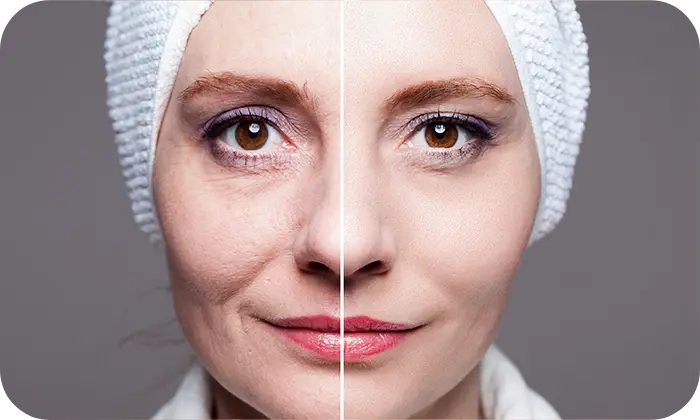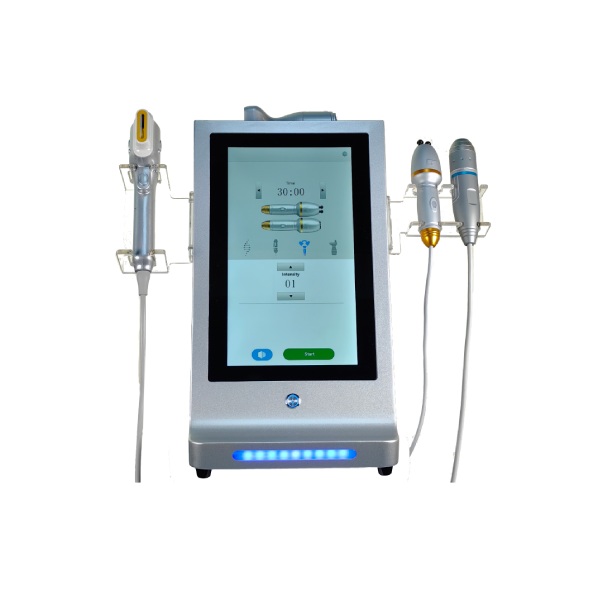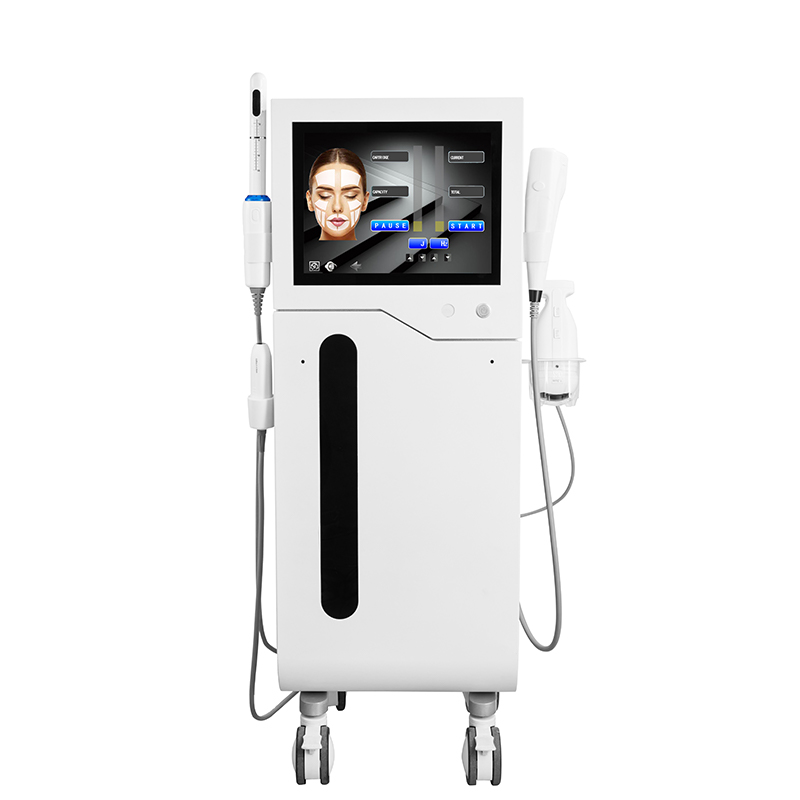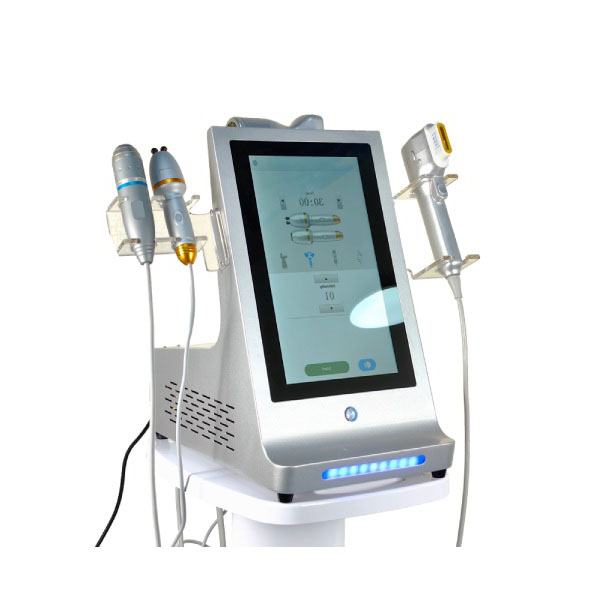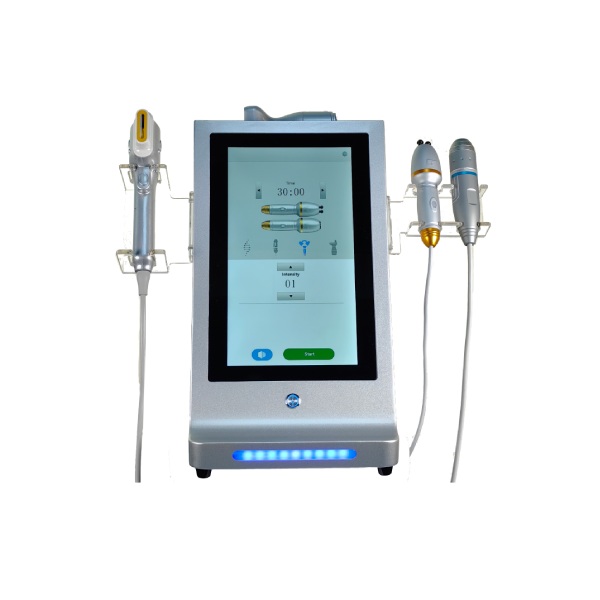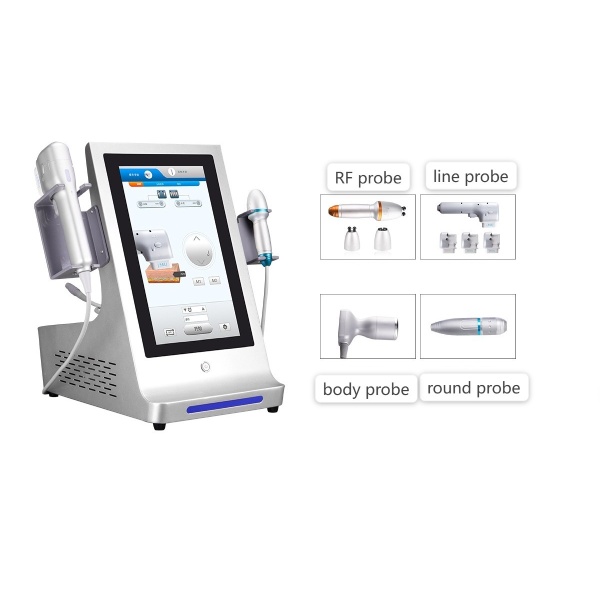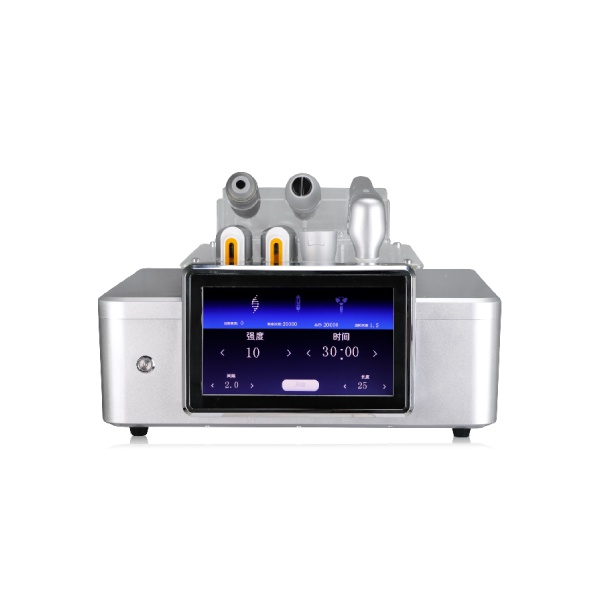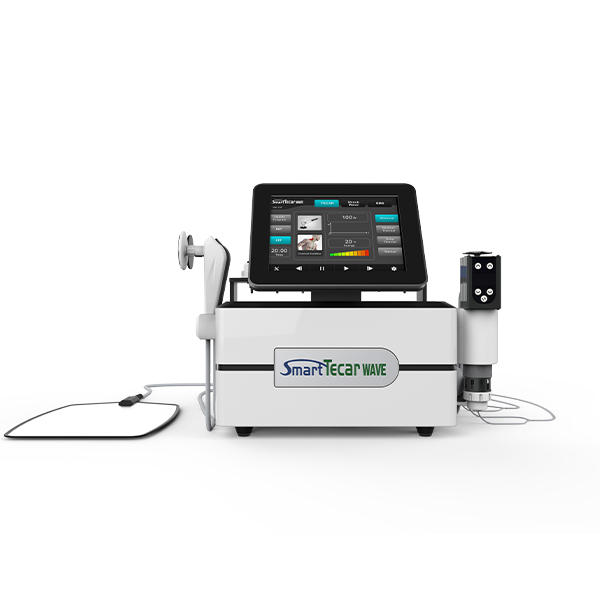

HIFU stands for High-Intensity Focused Ultrasound. In aesthetic treatments, a HIFU machine uses focused ultrasound energy to heat specific layers beneath the skin. It is mainly used for skin tightening and lifting, and some machines are also designed for body treatments.
Unlike laser or radiofrequency, HIFU does not rely on light or radio waves. The ultrasound energy is focused at a selected depth, allowing practitioners to treat tissue beneath the skin without making an incision.
Today, HIFU is widely used in aesthetic clinics for facial lifting, jawline definition, neck tightening, and other skin-tightening treatments.
But not every HIFU machine is the same. Treatment depth, cartridge options, energy control, and machine design can all affect how a device is used.
So, what exactly is a HIFU machine, and how does it work?
What Is a HIFU Machine?
A HIFU machine is an aesthetic device that delivers focused ultrasound energy into targeted tissue.
The key word is “focused.” Instead of heating a large area of skin, the device concentrates ultrasound energy at specific points beneath the skin. This creates a controlled thermal effect at the selected depth.
When this focused energy reaches the target layer, it generates heat (around 60–70°C) at precise points called thermal coagulation zones. The body’s natural healing response kicks in, stimulating collagen production and elastin fibers in the treated area. Over the following 4–12 weeks, the skin gradually tightens and lifts as new collagen forms.
What makes HIFU particularly appealing is that it bypasses the epidermis (the outer skin layer) entirely. The energy passes through without damaging the surface, which means there’s no downtime, no open wounds, and minimal risk of burns or pigmentation issues. Clients can literally have a treatment during their lunch break and return to work the same day.
A HIFU handpiece usually works with different cartridges. Each cartridge is designed to deliver energy at a particular depth, making it possible to adjust the treatment according to the area being treated.
For example, facial HIFU systems commonly offer cartridges around 1.5 mm, 3.0 mm, and 4.5 mm. The exact options vary by machine.
This is one reason cartridge selection matters when choosing a HIFU device for a clinic. A machine with several cartridges can give practitioners more options, but the number of cartridges alone does not determine whether a machine is suitable.
How Does a HIFU Machine Work?
The working principle of HIFU is based on focused ultrasound energy.
During treatment, the handpiece is placed against the skin. Ultrasound energy travels through the skin and is concentrated at the selected treatment depth. At the focal point, the energy produces heat in a controlled area.
This process can be described simply:
Ultrasound energy → focused at a selected depth → controlled thermal effect → tissue response and collagen remodeling
The skin surface is not treated in the same way as with a resurfacing laser. Instead, the energy is delivered below the surface.
The treatment depth depends on the cartridge being used. This allows practitioners to select different depths for different areas and treatment goals.
Why Is Treatment Depth Important?
Different parts of the face do not have the same tissue structure or thickness. Treating the forehead, cheeks, jawline, and neck may require different treatment approaches.
This is why professional HIFU systems often come with multiple cartridges.
However, the actual tissue layer affected depends on the specific device and cartridge design. It is not accurate to assume that every cartridge with the same depth marking produces exactly the same treatment effect across different machines.

What Is a HIFU Machine Used For?
HIFU is mainly associated with skin tightening and lifting treatments.
Common treatment areas include the face, jawline, chin, and neck. Some HIFU systems also have cartridges designed for body treatments.
Face
HIFU can be used as part of a facial skin-tightening treatment. Practitioners may treat areas such as the cheeks, lower face, and around the jawline.
Jawline and Double Chin
The jawline is one of the common areas treated with aesthetic HIFU. Depending on the device and treatment protocol, the treatment may be used to improve the appearance of loose skin and facial definition.
Neck
HIFU can also be used for neck skin tightening. The treatment approach depends on the patient’s skin condition and the equipment being used.
Body
Some machines are designed for both facial and body treatments. These systems may include deeper cartridges for areas such as the abdomen, thighs, or arms.
If a clinic plans to offer body treatments, it is worth checking the actual cartridge options and intended applications of the machine rather than assuming that every HIFU system can be used on the body.
What Are the Benefits of HIFU Treatment?
HIFU has become popular in aesthetic clinics mainly because it can deliver focused energy without surgery.
Non-Surgical Skin Tightening
HIFU does not require an incision. The ultrasound energy is delivered through the skin, making it an option for clients who want a non-surgical approach to skin tightening.
Targeted Treatment
The energy is concentrated at selected points and depths. This gives practitioners more control over where the treatment energy is delivered.
Collagen Remodeling
The controlled heat generated by focused ultrasound can trigger a tissue response associated with collagen remodeling. The visible changes are not necessarily immediate and can develop gradually after treatment.
Different Treatment Depths
With different cartridges, a HIFU machine can be adapted to different treatment areas and tissue depths.
This is particularly useful for clinics that want one system to support several types of facial treatments.
Minimal Interruption to Daily Life
HIFU does not involve surgical incisions or skin resurfacing. Many clients can return to their normal activities after treatment, although temporary redness, swelling, tenderness, or other reactions can occur depending on the individual and treatment settings.
HIFU vs RF and RF Microneedling: What’s the Difference?
HIFU is sometimes compared with RF and RF microneedling because all three technologies can be used for skin tightening. However, they deliver energy in different ways.
| Technology | Energy | Typical Focus |
| HIFU | Focused ultrasound | Deeper, targeted tissue treatment |
| RF | Radiofrequency | Heating tissue for skin tightening |
| RF Microneedling | Radiofrequency + microneedles | Skin texture, tightening and remodeling |
HIFU delivers focused ultrasound energy at selected depths. RF uses radiofrequency energy to heat tissue, while RF microneedling combines RF energy with microneedles that penetrate the skin.
These technologies are not necessarily alternatives where one is always better than the others. Clinics often choose between them based on the client’s skin condition, treatment goals, and the type of service they want to offer.
RF Microneedling Machines → https://www.drebodylaser.com/product-category/rf-microneedling-machine/
What Should You Look for in a HIFU Machine?
If you are buying a HIFU machine for a clinic or distribution business, there are several practical points worth checking.
Cartridge Options
Start with the cartridges rather than the number printed on the machine.
Check the available treatment depths and make sure they match the treatments you plan to provide.
Facial or Body Applications
Some systems are designed mainly for facial treatments, while others can support both facial and body applications.
Choose according to your actual treatment menu.
Energy Adjustment
Practitioners need appropriate control over treatment parameters. A clear interface and easy-to-adjust settings can make daily operation more convenient.
Handpiece Design
The handpiece is used throughout the treatment, so its size, weight, grip, and cartridge replacement process matter more than they may seem.
Training and Technical Support
A machine is only part of the purchase.
For clinics and distributors, training, operating guidance, troubleshooting, spare parts, and after-sales support can be just as important as the machine itself.
Certifications and Local Requirements
Before purchasing a HIFU machine, check the certifications and regulatory requirements applicable to your market.
The requirements for aesthetic equipment can differ between countries, so distributors and clinics should confirm the rules that apply to their intended use.

Is a HIFU Machine Suitable for Every Clinic?
Not necessarily.
Established clinics and medspas. If you already have a steady client flow and offer other aesthetic treatments, adding HIFU is a natural upsell. Your existing clients trust you, and you can introduce HIFU as an upgrade or complementary service.
Beauty salons looking to move upmarket. If your salon currently offers basic skincare, facials, and waxing, adding HIFU positions you as a more advanced clinic and allows you to charge premium prices. Just make sure you invest in proper operator training—HIFU is a medical-grade treatment that requires skill to deliver safely and effectively.
Startups with a focused niche. If you’re launching a new business specifically centered around non-invasive anti-aging, a HIFU machine can be your flagship device. Pair it with a couple of complementary technologies (like RF or LED) and you’ve got a focused, high-margin treatment menu.
Businesses that may want to hold off. If you’re a solo operator with limited capital, or if your client base is primarily interested in relaxation and basic beauty services (not clinical anti-aging), the ROI timeline may be longer than you’d like. In that case, you might consider starting with a more affordable portable device or partnering with a mobile HIFU provider before committing to a full machine purchase.
HIFU Machine Frequently Asked Questions
How does a HIFU machine tighten skin?
A HIFU machine focuses ultrasound energy at selected depths beneath the skin. The resulting controlled thermal effect can stimulate a tissue response and collagen remodeling, which may improve the appearance of skin firmness over time.
What areas can HIFU treat?
Common aesthetic treatment areas include the face, jawline, chin, and neck. Some machines are also designed for selected body areas. The available treatment areas depend on the machine and cartridges.
How deep does HIFU work?
The treatment depth depends on the cartridge. Common aesthetic HIFU systems may offer depths such as 1.5 mm, 3.0 mm, and 4.5 mm, although configurations vary between devices.
Is HIFU a non-invasive treatment?
Yes. Aesthetic HIFU is generally considered non-invasive because the ultrasound energy is delivered through the skin without surgical incisions.
How long do HIFU results last?
Results vary from person to person and depend on factors such as age, skin condition, treatment area, device settings, and treatment protocol. It is better to avoid promising a fixed duration for every client.
Can HIFU be used on the body?
Some HIFU machines are designed for body applications and include suitable cartridges. If body treatment is important to your clinic, check the manufacturer’s specifications and intended applications before purchasing.
How do I choose a HIFU machine for my clinic?
Look at the treatment areas, cartridge depths, machine configuration, energy control, ease of use, training, certification, warranty, and after-sales support. Most importantly, choose a system that fits the treatments your clinic actually plans to offer.
HIFU Machines for Professional Aesthetic Businesses
HIFU can be a useful addition to a clinic’s treatment menu, particularly for businesses offering non-surgical skin tightening and facial lifting treatments.
If you are comparing HIFU systems, start with your treatment needs. Consider which areas you want to treat, which cartridge depths you need, and whether you require facial-only or facial-and-body applications.
Lionaura provides professional HIFU machines for aesthetic clinics, beauty centers, and distributors, with different configurations available for different treatment requirements.
Explore Professional HIFU Machines → https://www.drebodylaser.com/product-category/hifu-machine/
If you are looking for a specific configuration or want to compare available models, you can also contact the Lionaura team for product specifications and wholesale information.