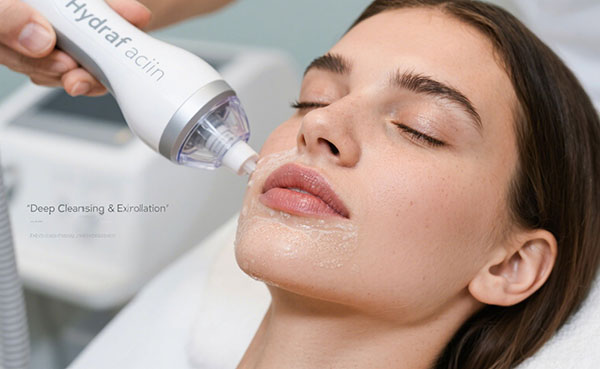
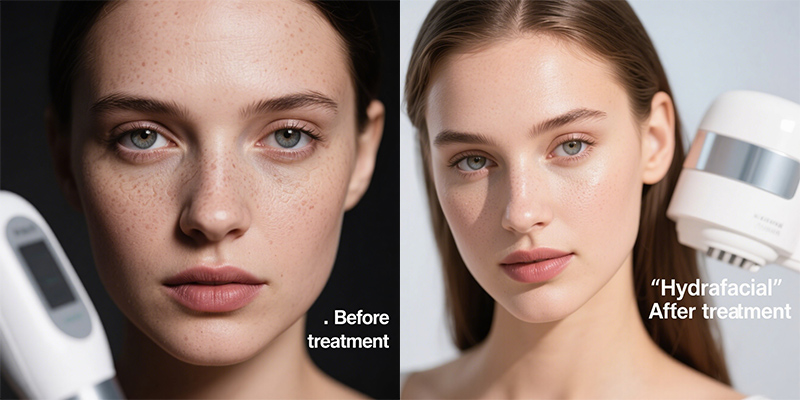
If you’re selecting equipment for a beauty salon or seeking professional-grade skincare at home, hydrodermabrasion machines are an essential consideration. Combining water flow with vacuum suction, they gently exfoliate while deeply hydrating—ideal for sensitive skin and those seeking a “zero-pain” experience. But with models ranging from thousands to tens of thousands of yuan, how do you avoid pitfalls? This article breaks down the selection logic across four core dimensions.
Define Your Needs: What Problem Does Your Machine Need to Solve?
1. Basic Models vs. Multi-Function Models
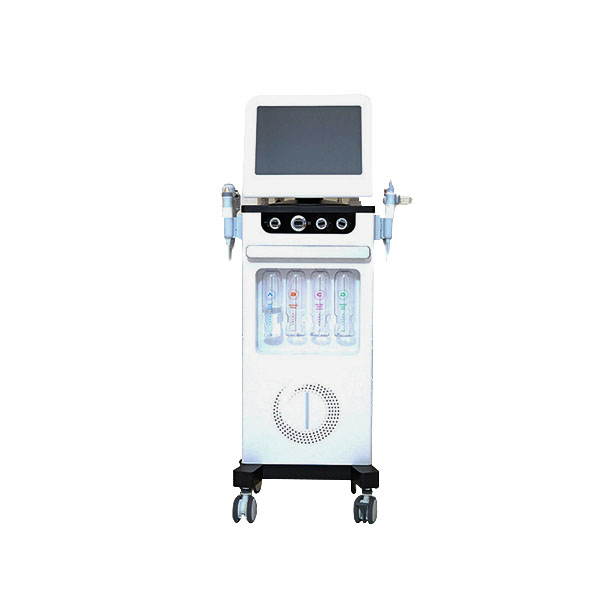
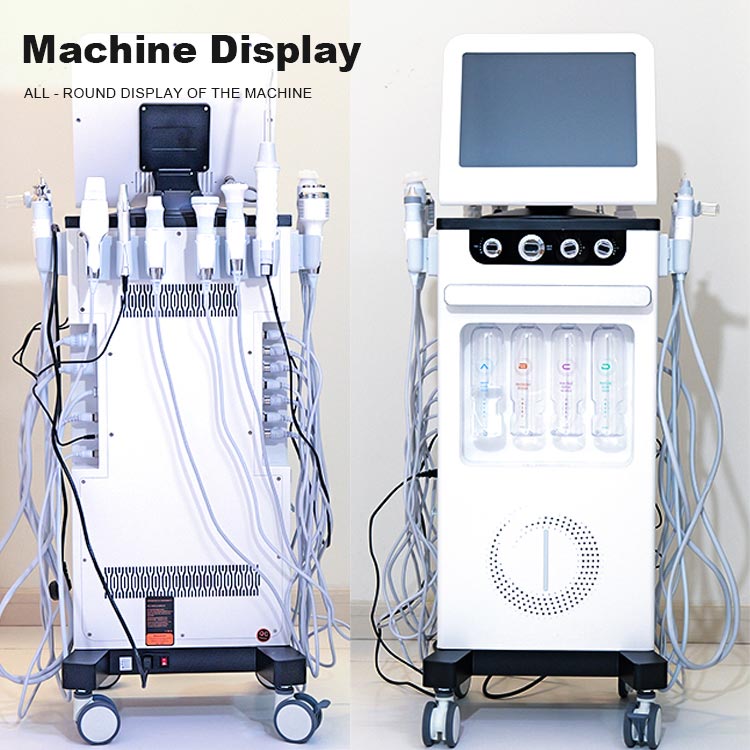
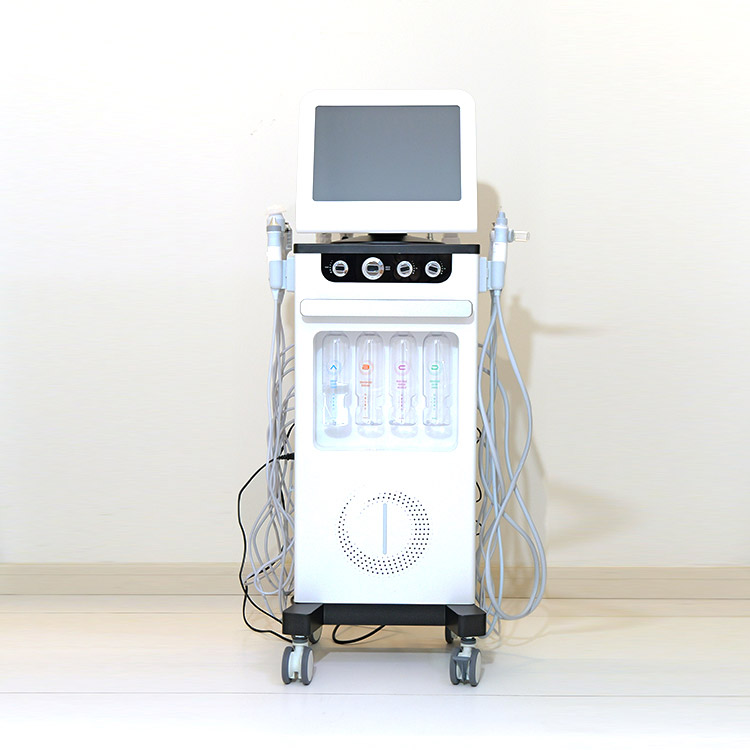
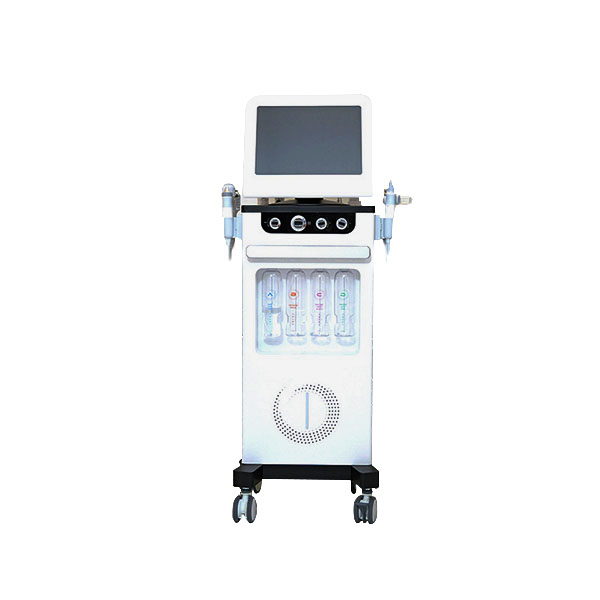
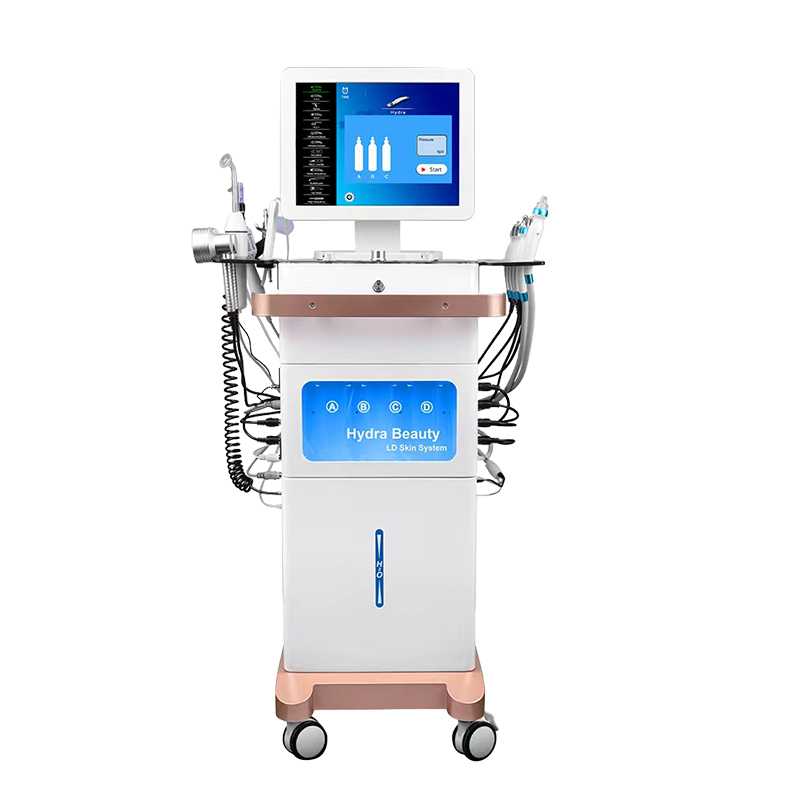
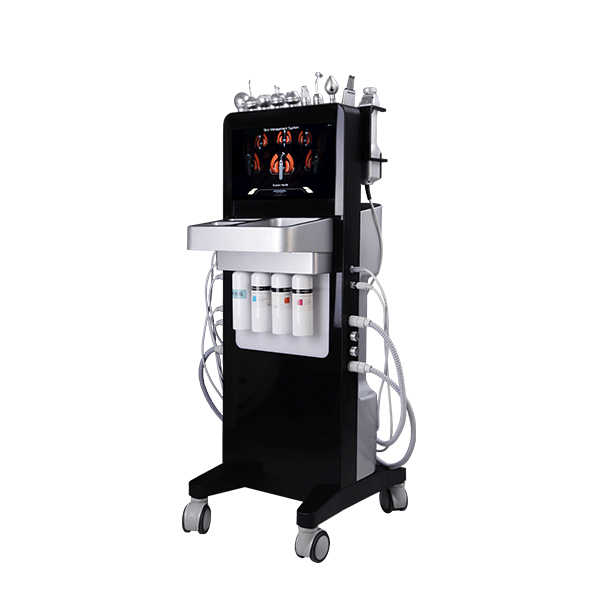
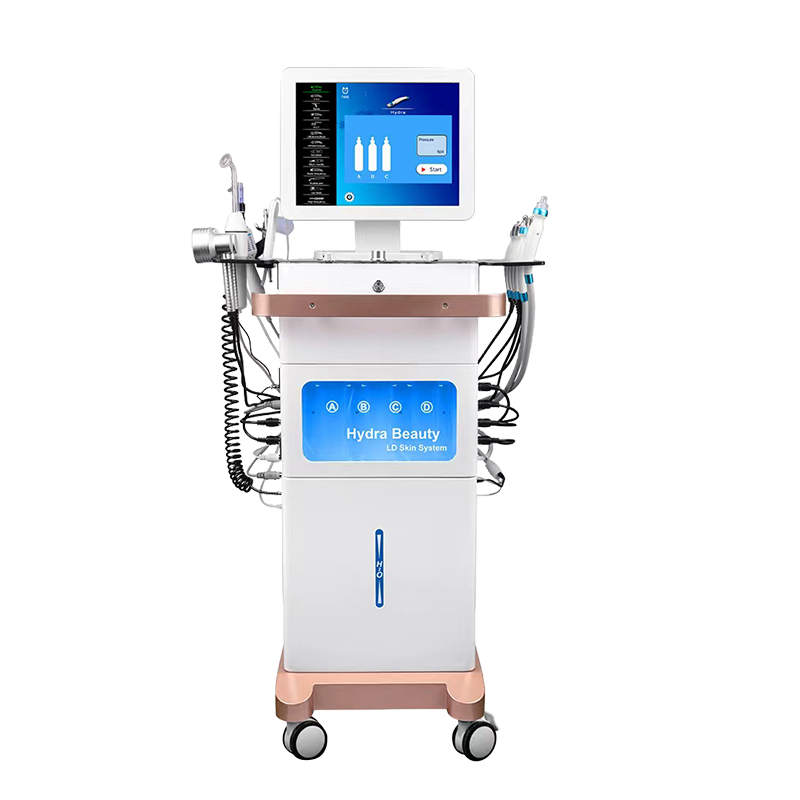
Entry-level machines typically focus on water-oxygen exfoliation + vacuum suction, ideal for those with limited budgets or basic cleansing needs. For example, Lionaura’s 4-in-1 model weighs only 3kg and is easy to operate—perfect for mobile aestheticians or home use. Professional salons, on the other hand, tend to choose 6-in-1 or even 14-in-1 models that integrate features such as ultrasonic infusion, RF tightening, and a hot/cold hammer. The 14 in 1 Best Hydra Dermabrasion Machine for Beauty Clinic/Salon, for instance, combines hydro-oxygen, oxygen injection, and cooling therapy in one system—allowing exfoliation, nutrient infusion, and post-treatment soothing simultaneously, increasing per-session service revenue by up to 30%.
2. Skin Type Compatibility
Sensitive skin should avoid high-suction models, opting instead for devices with adjustable suction (typically 5+ levels) and soft silicone suction heads. Oily skin benefits most from models with blue light sterilization, such as the 14-in-1 hydrodermabrasion facial machine. Its blue light module inhibits acne-causing bacteria, reducing post-treatment breakout risks.
Core Technology: The Key to Effective Results
1. Water Flow Precision and Suction Control
High-quality devices deliver a fine mist spray to prevent redness caused by “water jet impact.” During testing, check if the outlet has a rotatable nozzle and adjustable spray angle (45° is optimal). Suction power should range between 80-120kPa to effectively extract blackheads without damaging the stratum corneum.
2. Solution Delivery System
High-end models employ a “dual-channel design” with separate water and essence pathways to prevent cross-contamination. For example, Lionaura’s medical-grade version features a pressure pump in its essence bottle, precisely controlling delivery rates from 0.5-2ml per minute to ensure even nutrient penetration.
Pitfall Avoidance Guide: Details That Determine Long-Term Costs
1. Consumable Costs
Filters, suction heads, solution bottles, and other consumables require regular replacement. Some budget models use proprietary filters costing over ¥200 per replacement, while universal filters (e.g., Zemits series) cost only around ¥50 per replacement.
2. Maintenance Convenience
Choose models with removable water tanks and suction heads for thorough cleaning. For example, the 14-in-1 Bubble Hydrodermabrasion Machine features a quick-release water tank that rinses in 3 seconds, minimizing bacterial growth risks.
3. After-Sales Support
Prioritize brands offering “1-on-1 technical training + 3-year warranty.” Lionaura’s customer service team provides remote operation guidance and in-person hands-on training to help aestheticians master techniques quickly.
Application Scenarios: Salon vs. Home Use
Salon Selection: Prioritize efficiency and efficacy. Opt for models with suction ≥100kPa and multi-functional capabilities (e.g., 14-in-1 Hydra Dermabrasion Facial Machine), reducing service time to 25 minutes per session.
Home Selection: Focus on portability and safety. Choose models weighing <5kg with child lock functionality.
Conclusion: ROI Trumps Price
A professional hydrodermabrasion machine lasts 5-8 years. At 20 weekly clients, high-end models (e.g., Medical Hydra Dermabrasion Md Elite Machine) yield 200% annual ROI. Rather than obsessing over budget models’ “value for money,” invest in professional equipment that boosts client retention—after all, customers pay for visible results.