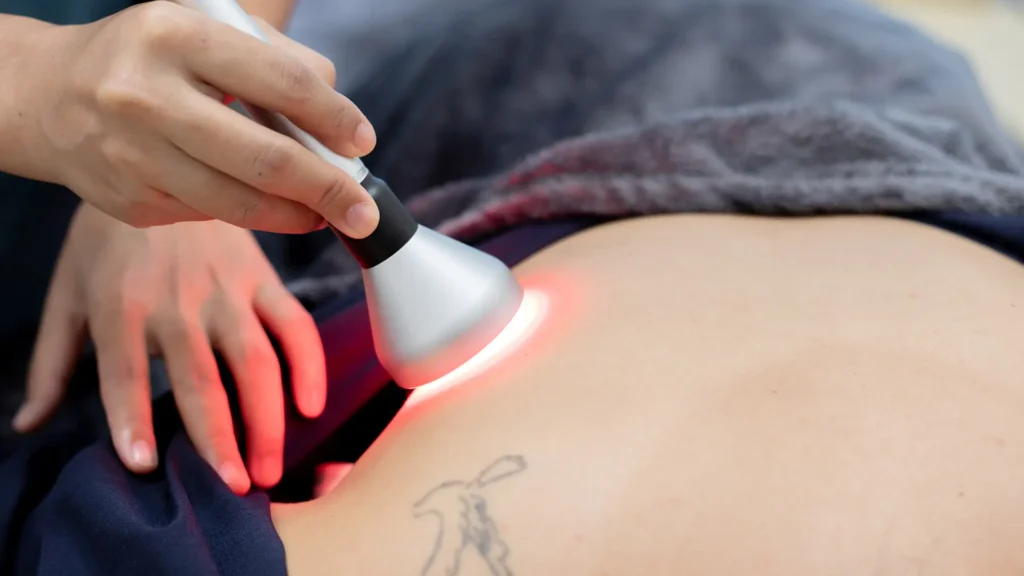
What Is High Intensity Laser Therapy?
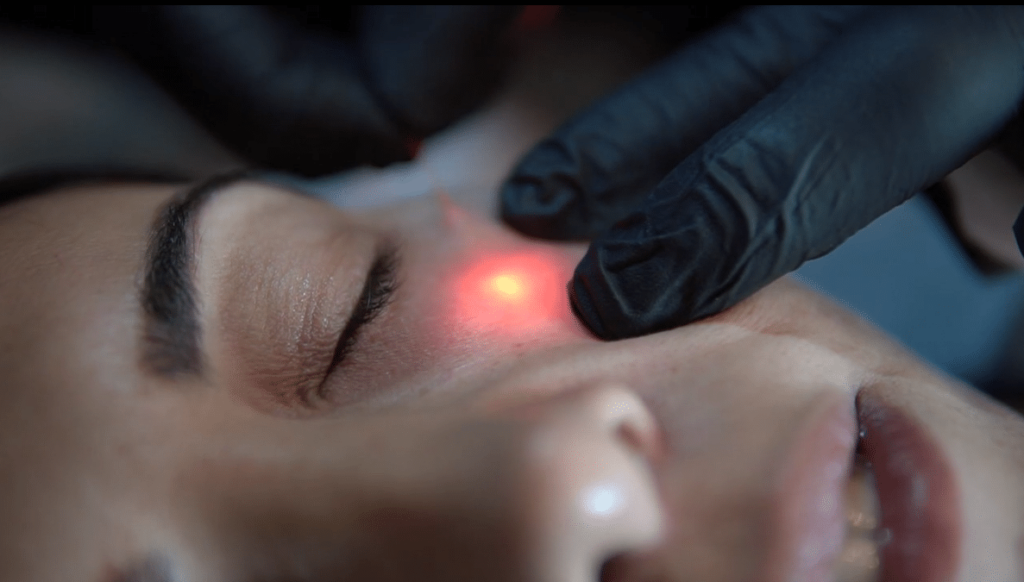
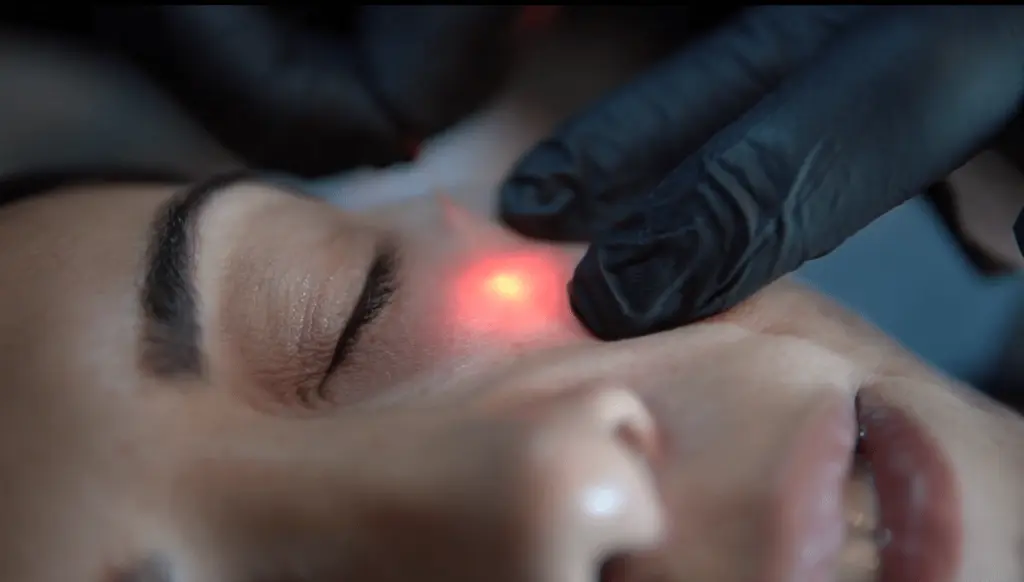
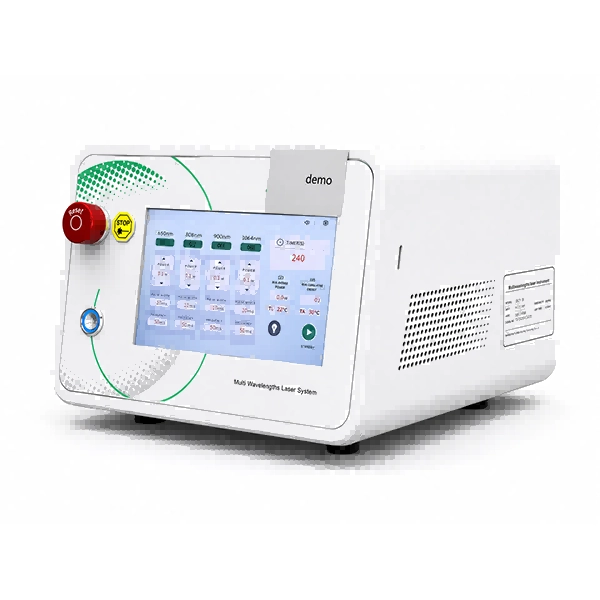
Short for HILT, high intensity laser therapy uses concentrated light to reach deep under your skin. It’s a needle-free, gentle way to ease muscle, joint and spinal pain while triggering your body’s own natural healing response.
This high-power light boosts cell activity inside damaged soft tissue, cuts down swelling and speeds up recovery from all kinds of musculoskeletal discomfort.
How Does Shockwave Therapy Work?
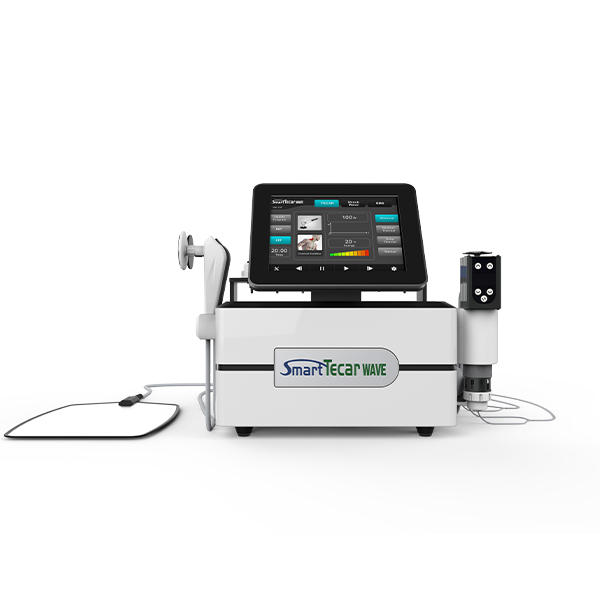
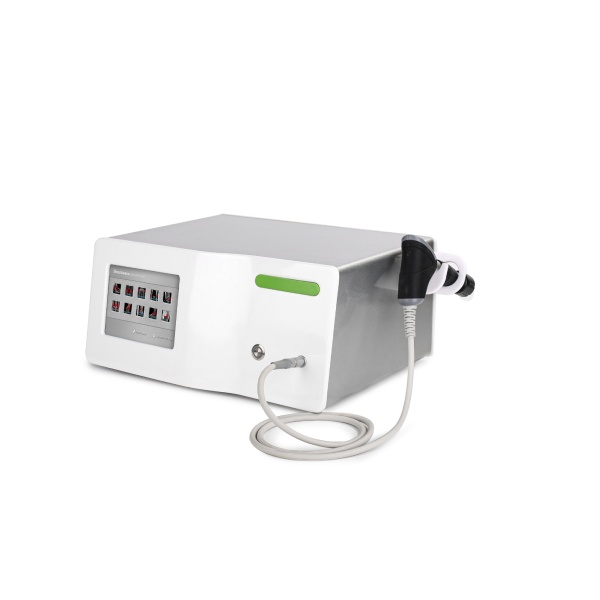
Shockwave technology first came out in Germany back in the late 1960s. Early research focused on how pulsed energy impacts human tissue, and it was originally designed to break down kidney stones for urinary treatment.
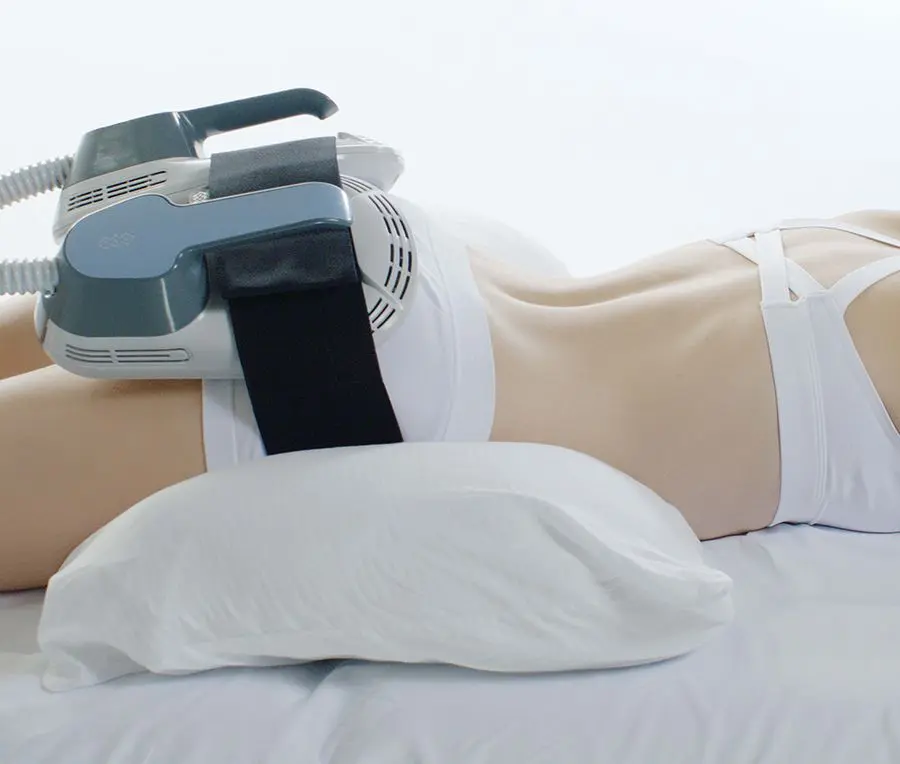
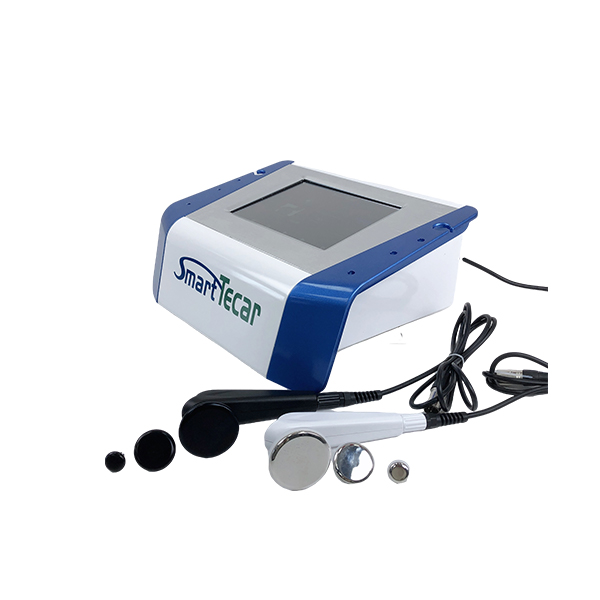
By the 1990s, researchers started testing shockwaves on musculoskeletal injuries for pain clinics. Today both high and low energy shockwave devices deliver short energy pulses straight to sore, damaged spots on the body.
These mechanical pulses bring several key benefits for painful joints and tendons. They boost blood flow around injured soft tissue, break up hard calcified build-ups that form where tendons attach to bone, and activate cells that rebuild connective tissue and bone. The pulses also overstimulate local nerve endings, which lowers pain signals patients feel day to day.
High Intensity Laser Therapy vs Shockwave Therapy: What Are the Key Differences
First off, they use totally different forms of energy to treat pain. Laser uses soft light that warms tissue gently; shockwave uses physical tapping pressure that creates minor stimulation on target areas.
Laser can penetrate deeper into broad muscle groups and works well on shallow wounds or post-op recovery spots. Shockwave only focuses on small connection points where tendons attach to bone, and it can’t be safely used on fresh injuries or open skin.
When it comes to comfort, laser treatment feels warm and relaxed with zero post-soreness. Shockwave brings obvious tapping discomfort during the visit, and patients often have achiness afterward.
Laser covers way more pain issues in one machine, while shockwave only serves a narrow range of bone-related pain cases.
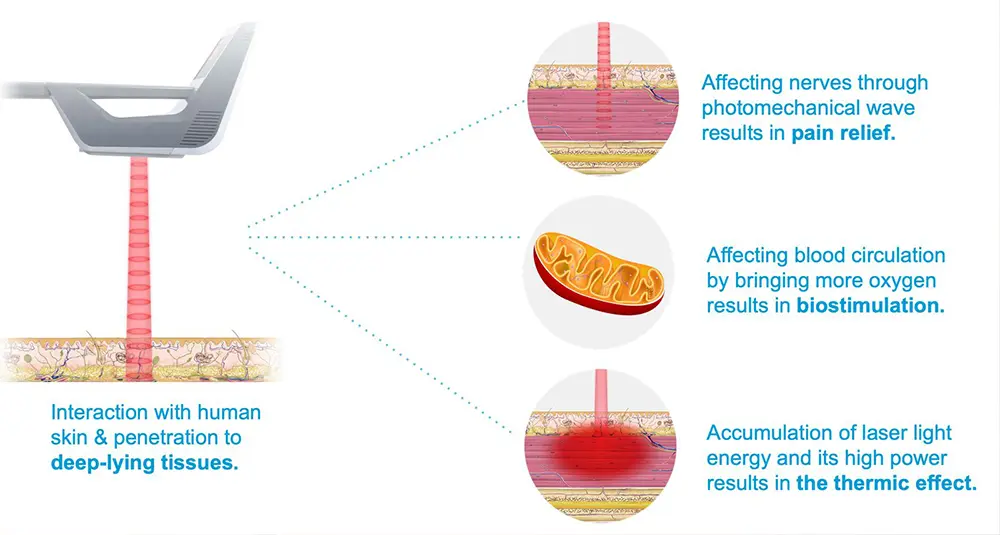
Which Conditions Respond Better to High Intensity Laser Therapy?
It is used to treat a variety of conditions, including:
● Acute and chronic pain: Muscle pain, joint pain, tendonitis, etc.
● Sports injuries: Sprains, strains, bruises, etc.
● Inflammatory conditions: Arthritis, bursitis, etc.
High intensity laser therapy is the better pick for most everyday soft tissue pain people walk into clinics with.
If you have a stiff, sore neck, tight upper back muscles or constant dull lower back pain from sitting or overworking, laser will bring fast comfort. It works great for frozen shoulders, mild elbow pain like tennis elbow and sore ankles after sprains.
It’s also ideal for athletes dealing with pulled muscles and general sports soreness. Anyone recovering after surgery or living with scar tightness can get good relief from regular laser sessions.
Mild nerve tingling and minor joint swelling also clear up faster with consistent laser treatment, thanks to its gentle anti-inflammatory effect deep under the skin.
When Is Shockwave Therapy the Better Choice?
Shockwave makes more sense only for pain linked to calcium build-up and bony growths where tendons hook onto bone.
The most typical case is severe heel pain caused by heel spurs. It also works well for shoulder issues where calcium builds up on rotator cuff tendons, and long-term knee pain from bony protrusions around joints.
If a patient’s pain stems from hard, thickened tendon attachments that haven’t improved with gentle soft tissue treatments, shockwave will deliver more visible results than laser.
Clinics that already own a laser machine often add shockwave as a second tool to tackle these hard-to-treat bony pain problems that laser can’t fully fix.
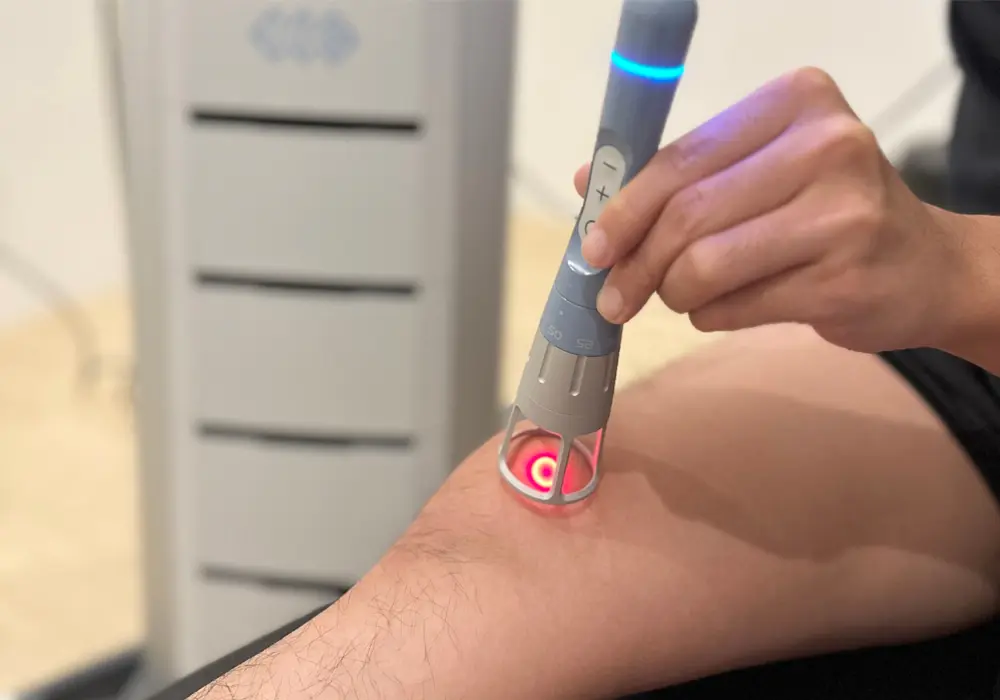
Clinical Perspective: The Diagnosis Matters More Than the Technology
Lots of clinic owners and patients ask which treatment is “better” overall, but there’s no one-size-fits-all winner between laser and shockwave. The right call always depends on what’s actually causing someone’s pain.
If the pain comes from swollen, strained muscle and soft tissue without any bone spur or calcium build-up, high intensity laser therapy will give faster, more comfortable relief with fewer follow-up visits needed.
If the root issue is hardened calcification at tendon-bone connection points, shockwave hits the exact problem area that gentle laser energy can’t fully break down.
Many busy rehab clinics use both tools side by side. They start patients on laser to calm inflammation and ease initial soreness, then switch to shockwave if leftover bony pain still lingers after several rounds of laser care.
Before picking any treatment, a full check-up from a trained therapist is always necessary to match the right tool to each person’s unique pain source.
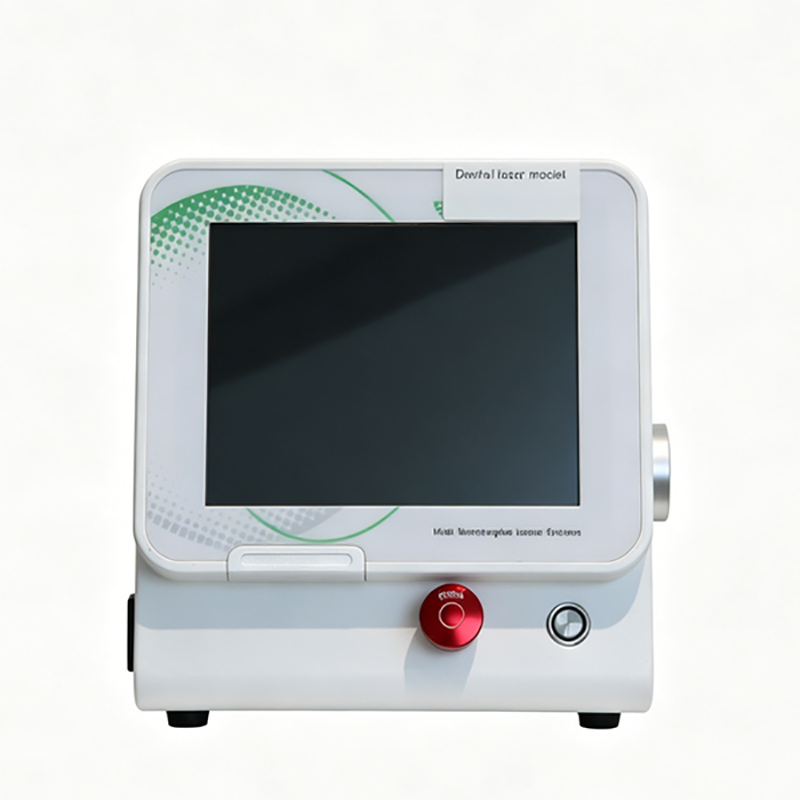
If your rehab or pain clinic needs a multi-spectrum high intensity laser device that covers most daily soft tissue pain cases, you can check our VEORA H4 High Intensity Class IV Laser Therapy Machine for complete preset treatment plans and full global medical certifications.
Related Reading Links
High Intensity Laser Therapy For Chronic & Acute Lower Back Pain