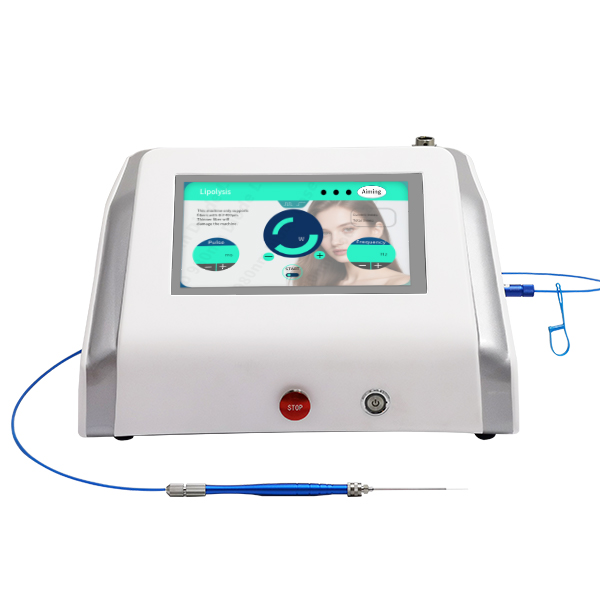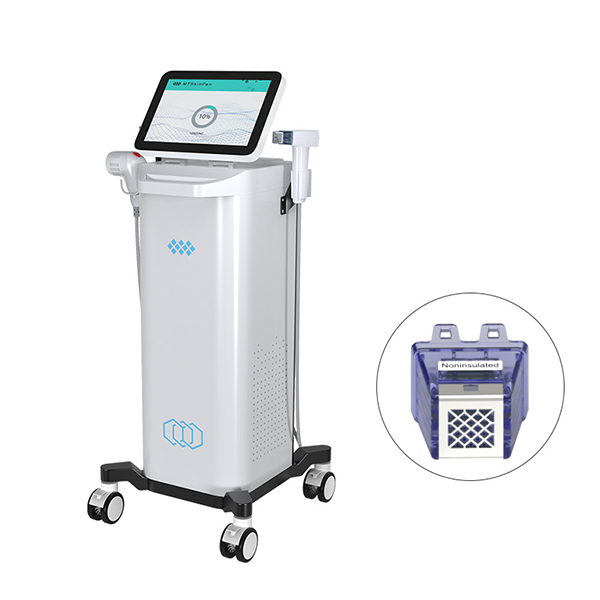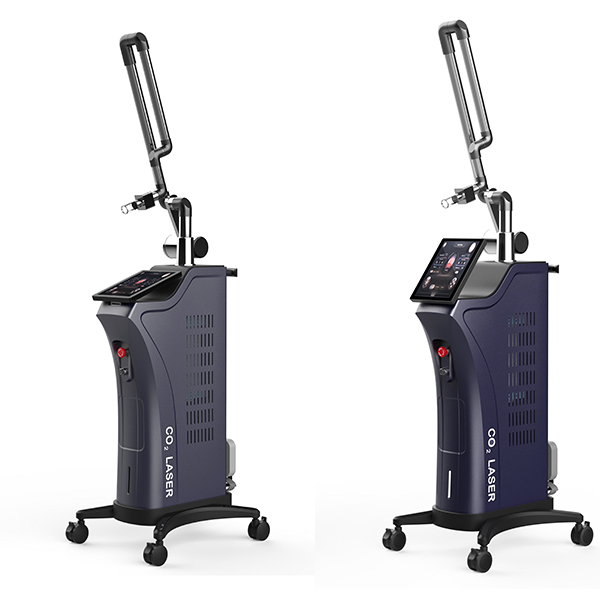
Fractional CO₂ laser is a widely used skin-resurfacing technology in modern aesthetic medicine. The system delivers CO₂ laser energy in thousands of microscopic columns, targeting only a fraction of the skin at each treatment pass. By doing so it triggers the skin’s natural repair and regeneration processes while preserving surrounding tissue. Compared with traditional fully ablative lasers, fractional CO₂ offers a shorter downtime and a lower rate of adverse effects, making it suitable for rejuvenation of the face, neck and larger body areas. For patients seeking noticeable and long-lasting improvement in texture, pore size, pigmentation and fine lines, fractional CO₂ provides a balanced option that combines efficacy with controllable safety.
Technical principle
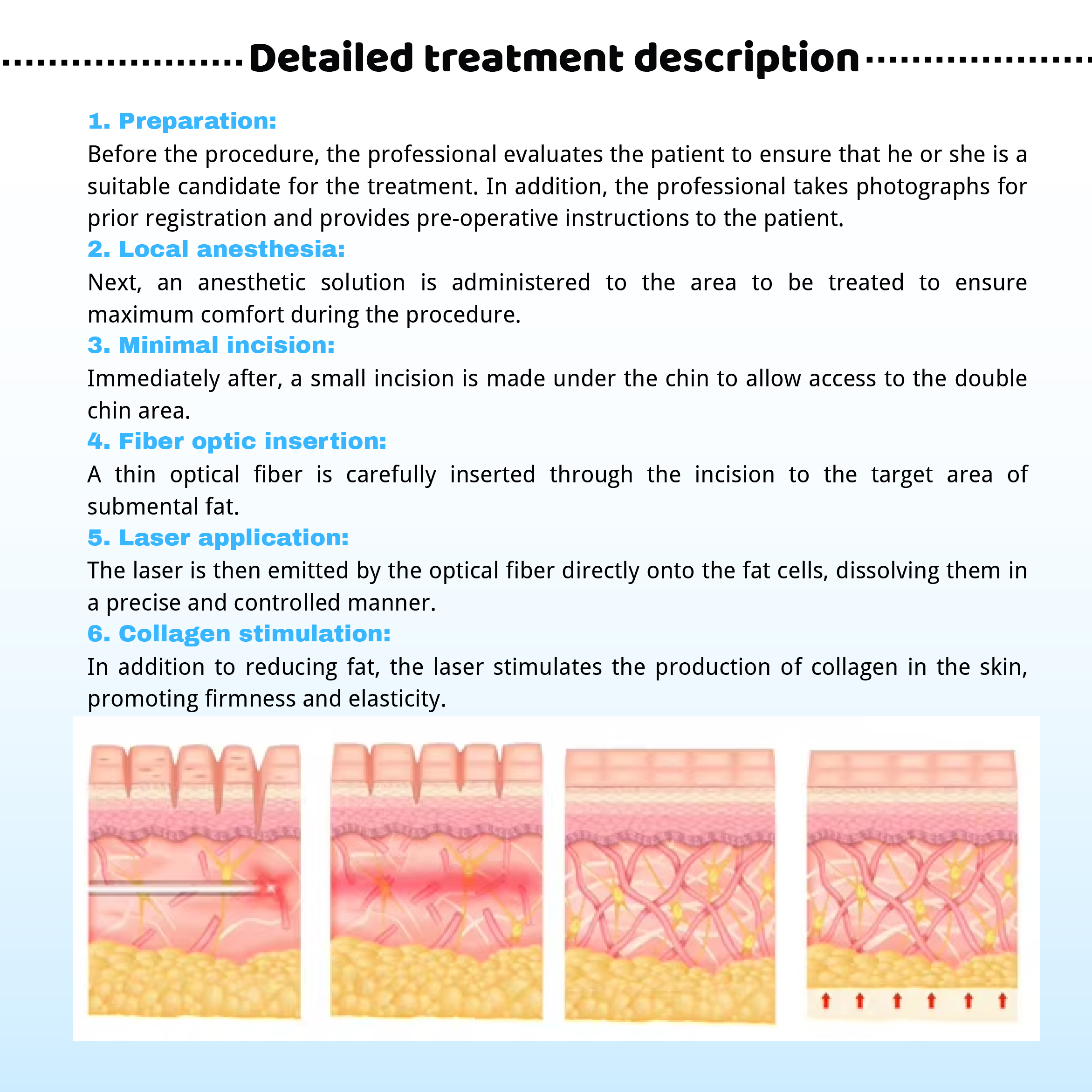
The working principle explains much of the procedure’s versatility. The laser creates microthermal zones that extend through the epidermis into the dermis, prompting epidermal renewal and stimulating dermal collagen and elastin remodeling. As new collagen forms and reorganizes, skin texture improves, laxity reduces and fine lines soften; overall skin tone becomes more even. Device settings — energy, spot spacing, treatment density and pulse duration — can be tailored to the lesion type and patient skin, allowing layered treatments from superficial resurfacing to deeper remodeling. This adjustability makes fractional CO₂ effective both for mild-to-moderate photoaging and for treating atrophic acne scars or surgical/traumatic scars.
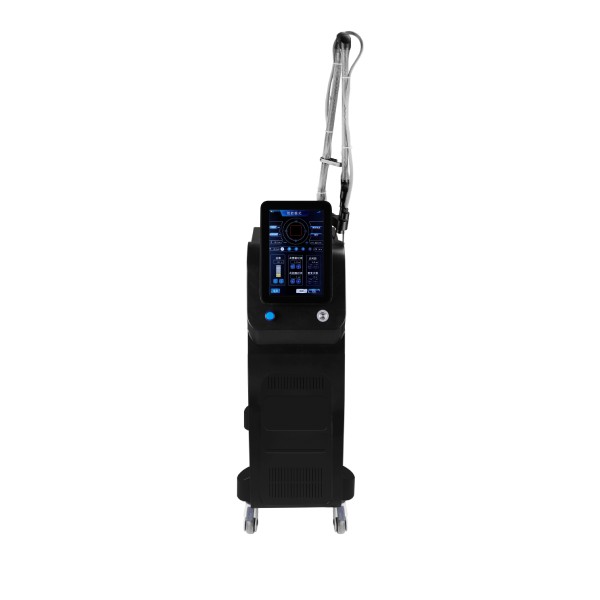
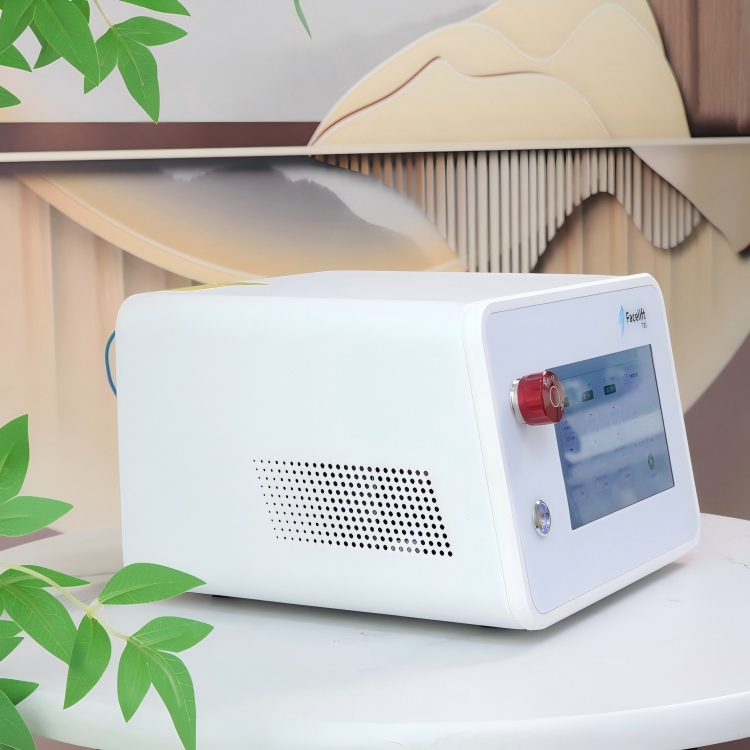
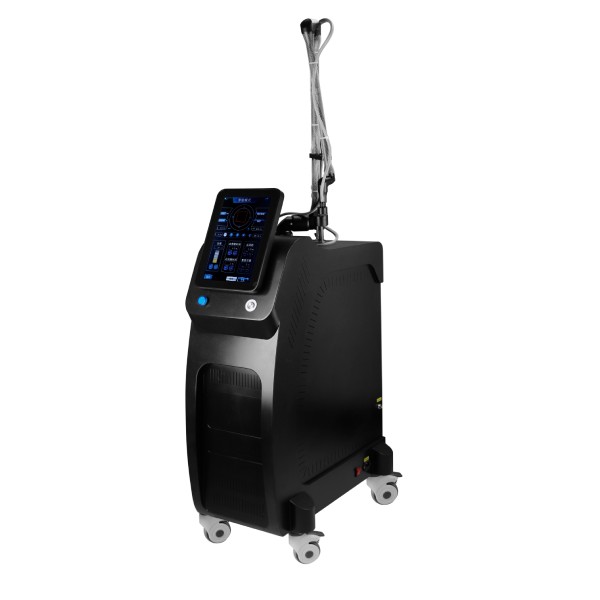
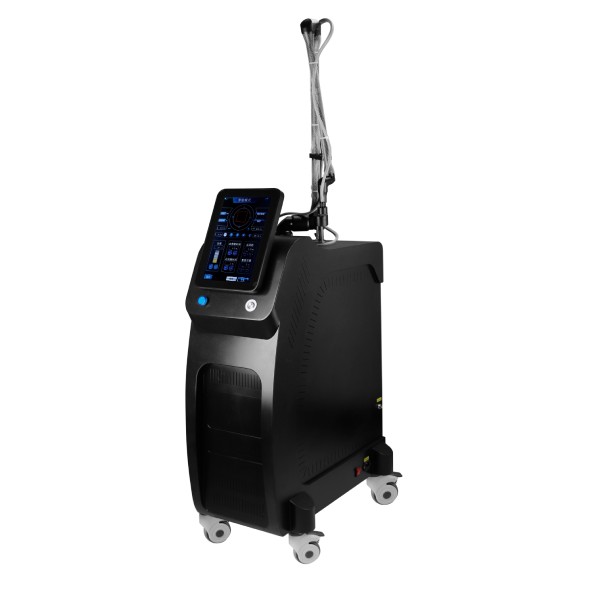
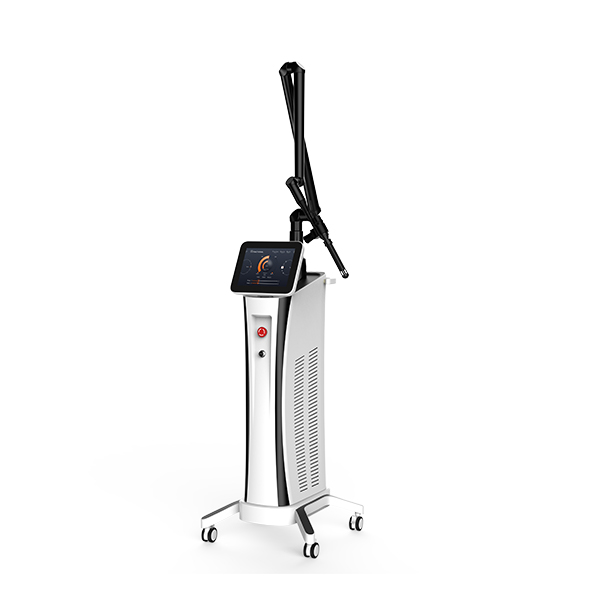
Device settings — energy per pulse, spot spacing, density and pulse duration — are highly configurable. A well-known example is the Fractional CO2 Laser Machine For Skin Resurfacing, which offers flexible parameter control to support both superficial resurfacing and deeper dermal remodeling.
Indications
Fractional CO₂ demonstrates clear benefits across a range of indications: reduction of fine lines and wrinkles, minimization of enlarged pores, evening of skin tone and lightening of pigmentary changes. It also achieves meaningful improvement in acne scarring, shallow atrophic scars and certain types of superficial scarring. Clinical improvements are often noticeable within 1–3 months after treatment; the full effect of collagen remodeling typically peaks between 3 and 6 months. Treatment frequency depends on the condition treated — mild issues can improve after a single session or after 1–2 passes, while more severe scarring or advanced photodamage may require multiple sessions spaced several weeks apart. Combination therapy with other resurfacing or injectable treatments is commonly used to accelerate or enhance outcomes.
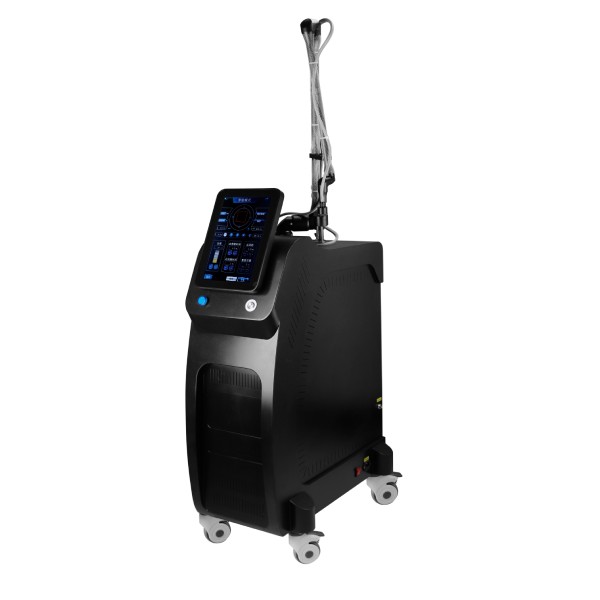
Many clinics choose a proven platform to deliver these controlled results — for example, the Fractional CO2 Laser Machine For Skin Resurfacing (Fraxel Pro), which focuses on precise energy delivery to remodel collagen while preserving surrounding tissue.
Treatment workflow and recovery
The treatment pathway is straightforward and predictable when performed properly. Pre-treatment assessment should include a full skin evaluation and a review of photosensitivity history and current medications. Topical or local anesthesia is used for patient comfort during the procedure. Post-treatment reactions commonly include transient redness, swelling and peeling; these are most prominent during the first 3–7 days, and superficial healing usually allows return to makeup within 1–2 weeks depending on settings. Post-procedure care focuses on gentle hydration, strict sun protection and avoidance of infection or mechanical irritation. Appropriate topical wound care or prescribed ointments and intermittent cold compresses help manage discomfort. Choosing a qualified clinic and an experienced operator is essential to reduce complication risk and to achieve predictable, satisfying results.
Safety and patient selection
Overall, fractional CO₂ lasers have a favorable safety profile, but they are not suitable for everyone. Contraindications include active skin infections, certain pigmentary disorders, recent systemic isotretinoin (accutane) use and open wounds. Patients with darker skin phototypes require careful parameter selection and often a conservative, staged approach to minimize the risk of post-inflammatory hyperpigmentation. Thorough pre-treatment counseling about realistic expectations, possible side effects and detailed aftercare instructions significantly improves patient satisfaction and long-term outcomes. In sum, thanks to its controllable parameters and broad range of indications, the fractional CO₂ laser remains an important tool for modern skin repair and anti-aging therapy.
If you’d like to learn how this technology performs in practice, see the Fractional CO2 Laser Machine For Skin Resurfacing (Fraxel Pro) for detailed specs and clinical resources.