Knee osteoarthritis affects millions of people around the world. Many patients struggle with constant discomfort that gets worse with daily activity.
Simple movements such as walking long distances, climbing stairs or standing for hours can trigger knee pain. Common signs include morning stiffness, visible swelling and a reduced ability to bend or stretch the knee fully.
Traditional management options include pain medication, joint injections and invasive surgery. Each method carries clear downsides. Drugs only offer temporary relief. Injections come with potential side effects. Surgery requires long recovery periods.
More physiotherapy clinics now turn to laser therapy as a reliable conservative treatment choice.
This guide covers how laser therapy works for knee osteoarthritis, its measurable benefits, standard treatment steps and supporting clinical research. You will also learn who suits this therapy and what clinics should consider before adding laser equipment to their service list.
What Is Knee Osteoarthritis?
Knee osteoarthritis, often shortened to KOA, is a degenerative joint condition.
A smooth layer of cartilage covers the ends of bones inside the knee. This tissue acts as a cushion during movement. As osteoarthritis develops, the cartilage slowly wears thin.
Without enough protective cartilage, bones rub directly against each other. The body responds by creating local inflammation. Over time, patients feel persistent pain and stiffness.
KOA does not develop overnight. It usually progresses gradually. Heavy body weight, aging, old knee injuries and repeated joint pressure all raise the risk of developing this condition.
Common Symptoms of Knee Osteoarthritis
Pain while walking or bearing weight
Discomfort often appears when the knee supports body weight. Many people feel relief after resting for a short time.
Morning joint stiffness
Stiffness commonly lasts 20 to 30 minutes after waking up. Movement slowly eases the tight feeling.
Knee swelling and tenderness
Inflamed tissue inside the joint may cause mild or obvious swelling. Light pressure around the knee can trigger soreness.
Limited range of motion
Many patients find it hard to fully bend or straighten the knee. Daily activities become less convenient.
Grinding sensation inside the joint
Some people notice rough, grinding feelings when moving the knee. This happens as damaged bone surfaces make contact.
Difficulty climbing stairs
Going up or down stairs creates extra pressure on knee joints. This action frequently worsens pain for people with KOA.
Can Laser Therapy Help Knee Osteoarthritis?
The short answer is yes. It is important to set realistic expectations from the start.
Laser therapy cannot permanently reverse severe cartilage damage or cure knee osteoarthritis. It works as a supportive conservative treatment.
For most patients, consistent laser sessions deliver three key improvements:
- Noticeable pain reduction
- Lower levels of joint inflammation
- Better overall knee function and mobility
When combined with exercise, weight control and other rehabilitation plans, laser therapy helps patients improve their quality of life and rely less on pain medicine.
How Laser Therapy Works for Knee Osteoarthritis
Laser energy reaches deep soft tissue and joint structures around the knee. This process triggers photobiomodulation, or PBM.
Cells absorb light energy and produce more ATP. Higher ATP levels support healthy cell activity. The treatment slows inflammatory responses and blocks pain signals travelling to the brain.
If you’d like to understand the biological mechanism in greater detail, read our complete guide on How High Intensity Laser Therapy Works.
Benefits of High Intensity Laser Therapy for Knee Osteoarthritis
Effective pain relief
High intensity laser reduces persistent joint pain. Many patients feel lighter discomfort shortly after a single session.
Reduced inflammation and swelling
The treatment calms inflamed tissue inside the knee. It helps clear excess fluid that causes swelling.
Improved blood circulation
Laser energy boosts local blood flow. Better circulation delivers nutrients to damaged tissue and speeds up natural recovery.
Enhanced tissue repair
Stable light energy supports the repair of minor soft tissue damage around the knee joint.
Better long-term mobility
After a full treatment course, most patients notice easier knee movement during daily tasks.
Drug-free treatment option
Patients avoid the side effects linked to long-term use of oral painkillers.
No downtime after treatment
People can return to normal light activities immediately after each laser session.
Short treatment sessions
Individual procedures usually take 10 to 20 minutes, which fits well into busy clinic schedules.
What Happens During a Laser Therapy Session?
Every session follows a clear workflow.
First, the therapist carries out an initial assessment. They check pain levels, joint mobility and identify the exact areas that need treatment.
Next, staff adjust laser power, scanning speed and penetration depth according to the patient’s condition.
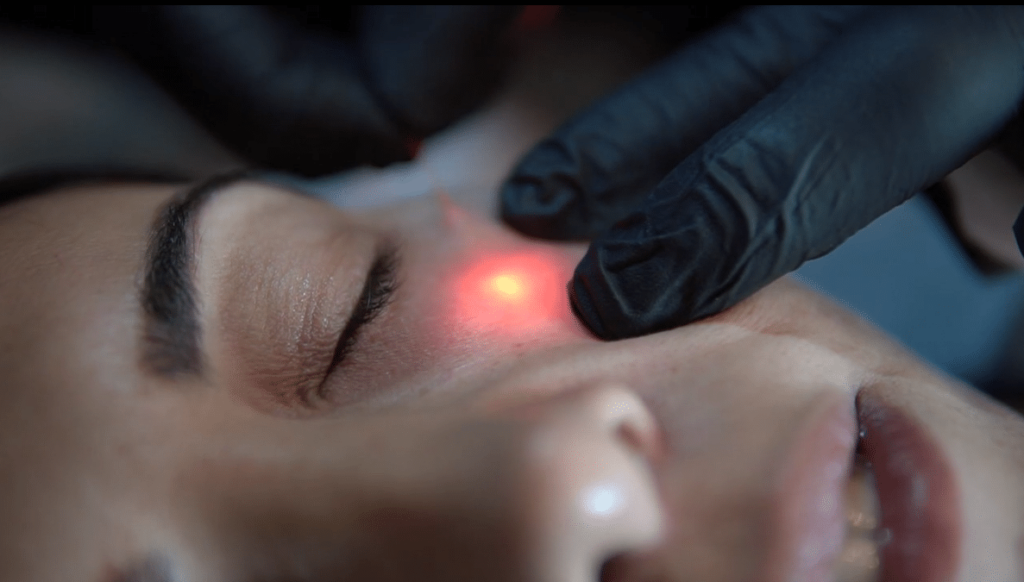
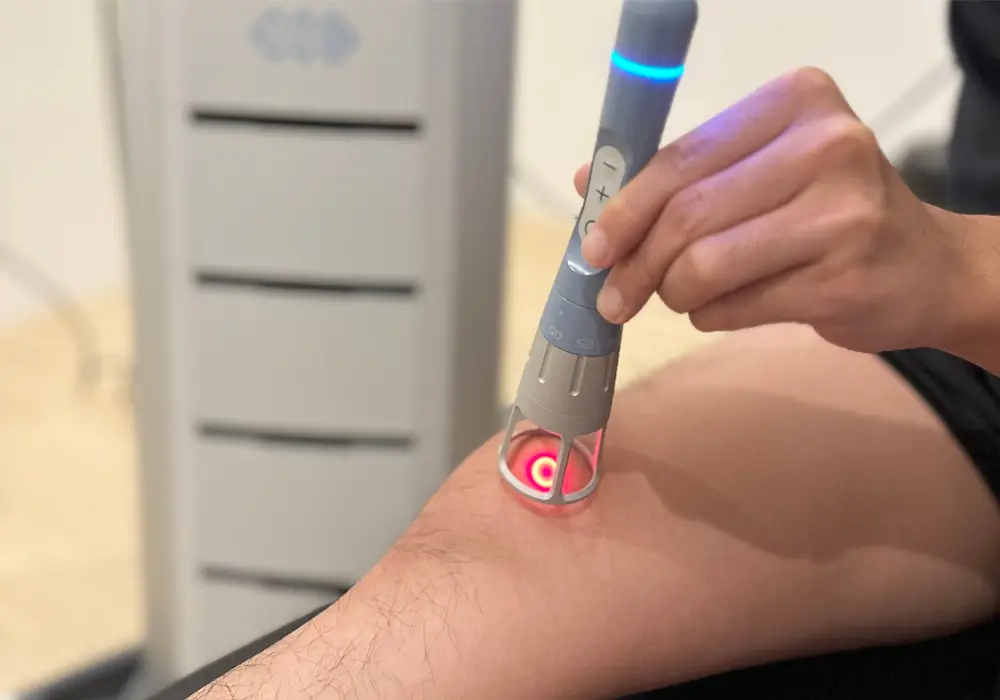
The therapist moves the laser handpiece over targeted knee regions in steady scanning motions. Patients usually feel gentle warmth, without sharp pain.
Once irradiation finishes, the therapist shares simple aftercare advice. They may suggest light stretching or temporary limits on heavy activity.
Most clinics arrange treatment two to three times each week. A full standard treatment course includes six to ten sessions.
Who Is a Good Candidate for Laser Therapy?
- Patients with early or moderate knee osteoarthritis
- Older adults experiencing chronic knee discomfort
- Athletes dealing with joint degeneration after sports injuries
- People hoping to cut down regular pain medication
- Individuals seeking non-surgical conservative rehabilitation
Who Should Avoid Laser Therapy?
- Laser treatment is not suitable for everyone. Clinicians should avoid applying laser over these cases:
- Patients during pregnancy
- Active cancer tissue near the treatment zone
- Unprotected eye exposure to laser light
- Areas with untreated active infection
- Patients with certain implanted electronic devices, follow official machine safety guidelines
Laser Therapy vs Other Knee Osteoarthritis Treatments
Physical exercise
Exercise strengthens muscles around the knee to stabilize joints. It works best for long-term joint protection, yet cannot quickly ease sudden pain flares. Laser therapy complements regular exercise.
NSAID pain medication
Medication delivers fast pain relief, but long-term use carries digestive and cardiovascular risks. Effects fade once patients stop taking pills.
Steroid injections
Injections reduce serious inflammation quickly. Repeated injections may weaken joint tissue over time.
Hyaluronic acid injections
These injections lubricate the joint space. Results differ widely between patients.
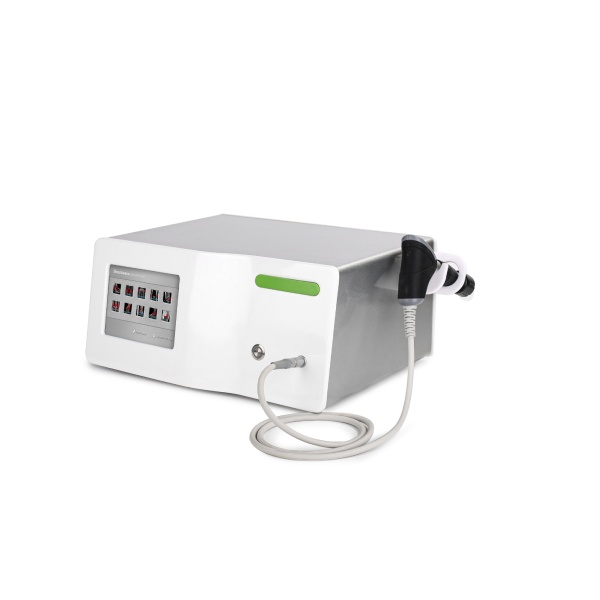
Shockwave therapy
Shockwave focuses on stimulating tissue regeneration through mechanical force. It targets different tissue responses compared to laser light. You can learn more by reading High Intensity Laser Therapy vs Shockwave Therapy.
Knee surgery
Surgery offers solutions for advanced joint damage. It involves risks and requires extended recovery time.
High intensity laser therapy
Non-invasive, short sessions, suitable for continuous conservative management. It focuses on pain control and lowering inflammation.
No single treatment works perfectly for all patients. Therapists often combine multiple methods to build personalised care plans.
Why Clinics Choose High Intensity Laser Therapy
Patient demand for non-invasive rehabilitation keeps growing. Modern physiotherapy centres look for services that attract new visitors and increase revenue.
High intensity laser treatment fits perfectly into daily clinical routines. Sessions are short, so clinics can serve more patients each working day. One single machine supports treatment for knees, shoulders, backs, ankles and many other musculoskeletal conditions.
Treatment causes minimal discomfort, which improves patient satisfaction and encourages repeat appointments.
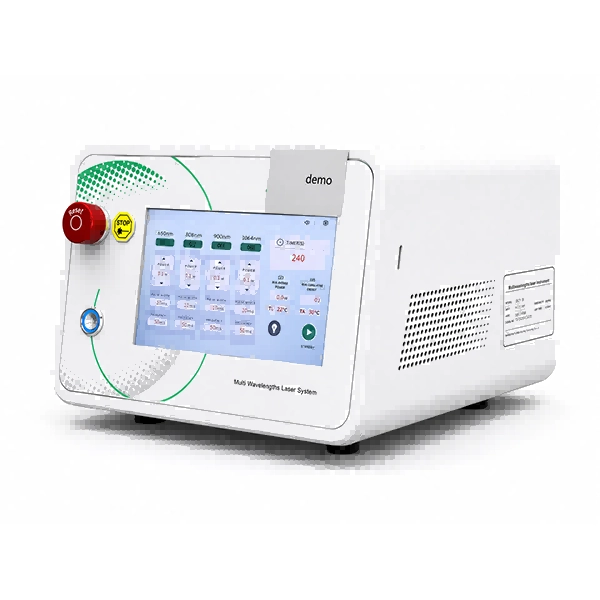
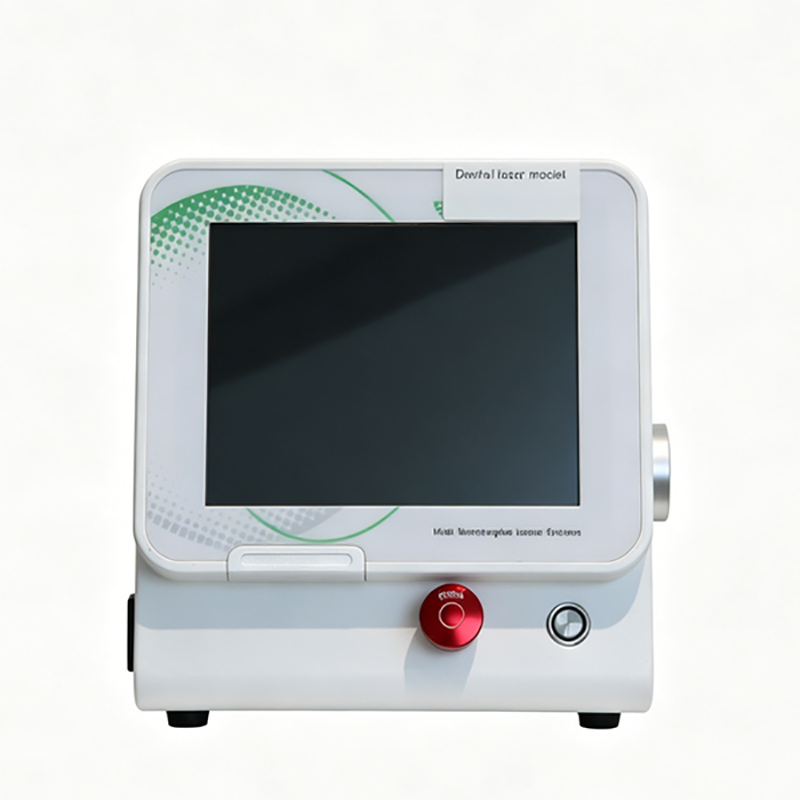
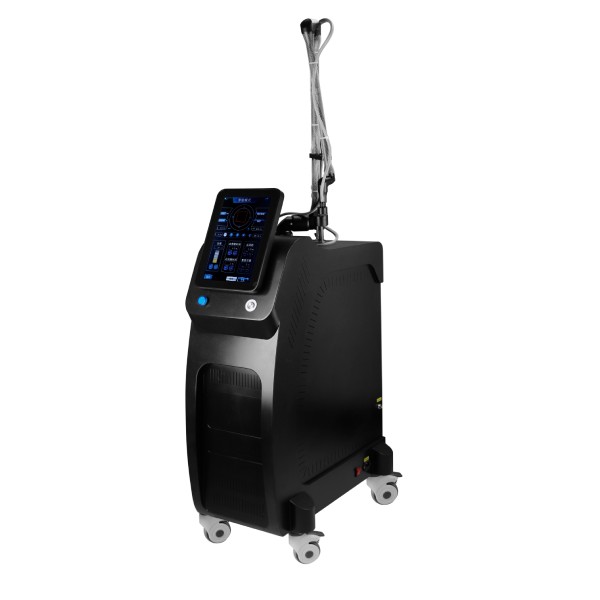
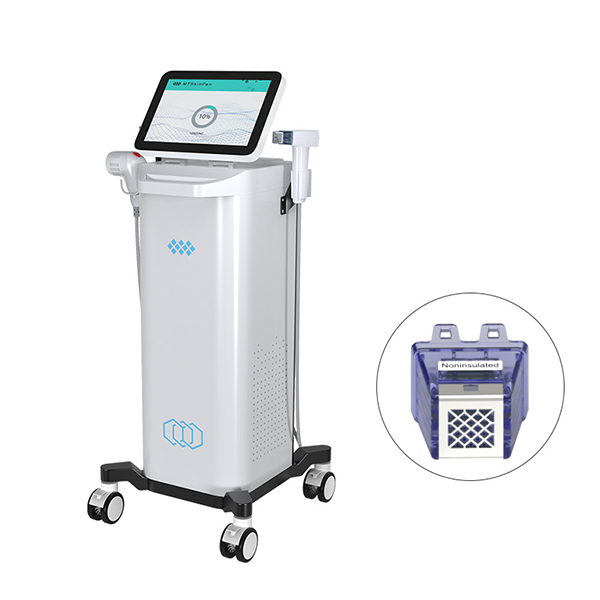
Clinics looking to expand their rehabilitation services often invest in a Professional High Intensity Laser Therapy Machine, which delivers deep tissue laser treatment for musculoskeletal pain, sports injuries and osteoarthritis while supporting efficient clinical workflows.
Frequently Asked Questions
Q: Can laser therapy fully regenerate damaged knee cartilage?
A: Current clinical evidence does not support full cartilage regeneration through laser therapy. It reduces inflammation, controls pain and creates better conditions for natural tissue maintenance.
Q: How many treatment sessions will a patient need?
A: Most people see steady improvements after six to ten sessions. Severity of osteoarthritis affects the total number of required treatments.
Q: What laser wavelength works best for knee osteoarthritis?
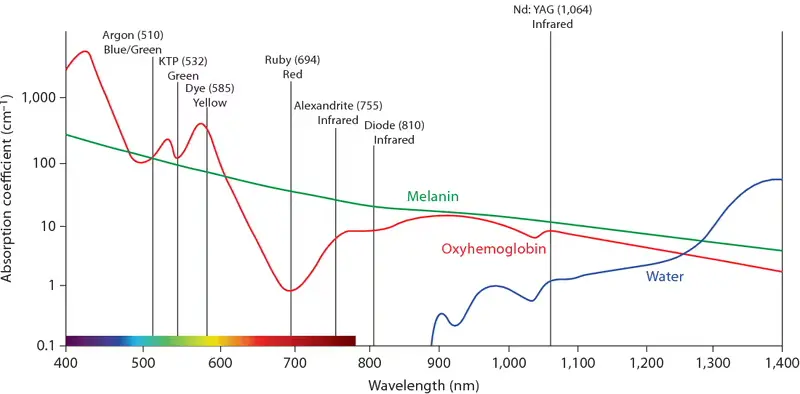
A: Class IV high intensity lasers with suitable near-infrared wavelengths provide reliable deep tissue penetration for joint conditions.
Q: Is HILT more effective than low-level laser therapy (LLLT)?
A: HILT delivers higher energy levels that reach deeper joint structures. LLLT mainly affects surface tissue. For knee osteoarthritis, high intensity laser tends to produce more consistent clinical results.
Learn more about the overall Benefits of High Intensity Laser Therapy.
Knee osteoarthritis creates ongoing barriers to comfortable daily movement for millions of people. Traditional treatment options all carry clear limitations.
High intensity laser therapy is not a magic cure for KOA. It acts as a valuable, non-invasive part of modern conservative rehabilitation. It reduces pain, controls inflammation and helps patients preserve knee mobility.