If you have been looking at shockwave therapy machines, you may have one simple question: do they really work?
The short answer is yes, shockwave therapy can help with pain and some musculoskeletal conditions. However, it is not a treatment that works in exactly the same way for everyone.
The results depend on the condition being treated, the type of shockwave used, treatment settings, and the patient’s individual situation. Research has found benefits for several common tendon and musculoskeletal problems, although the strength of evidence varies between conditions.
So, what does a shockwave therapy machine actually do, and when can it be useful?
What Is Shockwave Therapy?
Shockwave therapy, also called Extracorporeal Shock Wave Therapy (ESWT), is a non-invasive treatment that uses acoustic waves to deliver mechanical energy to a selected area of the body.
Shockwave therapy — officially called Extracorporeal Shockwave Therapy, or ESWT — uses high-energy sound waves to treat pain and help the body heal. A handheld device is pressed against the skin, and it sends these waves deep into the tissue underneath.
It was first developed decades ago to break up kidney stones. Over time, doctors realised the same technology could help with stubborn muscle, tendon and joint problems that refuse to heal on their own.
Does Shockwave Therapy Really Work?
Research suggests that shockwave therapy can reduce pain and improve function in certain conditions.
For example, systematic reviews have reported positive results for conditions such as plantar fasciopathy and several types of tendinopathy. However, the quality of evidence is not the same for every condition.
Research on knee osteoarthritis has also found improvements in pain and physical function after ESWT in some studies. A systematic review of randomized trials found that shockwave therapy improved pain compared with sham treatment at short-, medium-, and long-term follow-up.
This does not mean that shockwave therapy is a cure for every type of pain.
A better way to look at it is:
Shockwave therapy can be an effective treatment option for some musculoskeletal conditions, but the expected results depend on the condition and treatment plan.
What Conditions Can Shockwave Therapy Treat?
Shockwave therapy is commonly used in physical therapy, sports rehabilitation, and pain management.
Common treatment areas and conditions include:
- Plantar fasciitis
- Achilles tendinopathy
- Patellar tendinopathy
- Tennis elbow
- Calcific tendinitis
- Some types of chronic muscle pain
- Certain joint and musculoskeletal conditions
The level of supporting evidence differs between these conditions. For some tendon problems, research has shown useful results, while evidence for other conditions remains limited or inconsistent.
This is why a professional assessment is important before treatment.
How Does a Shockwave Therapy Machine Work?
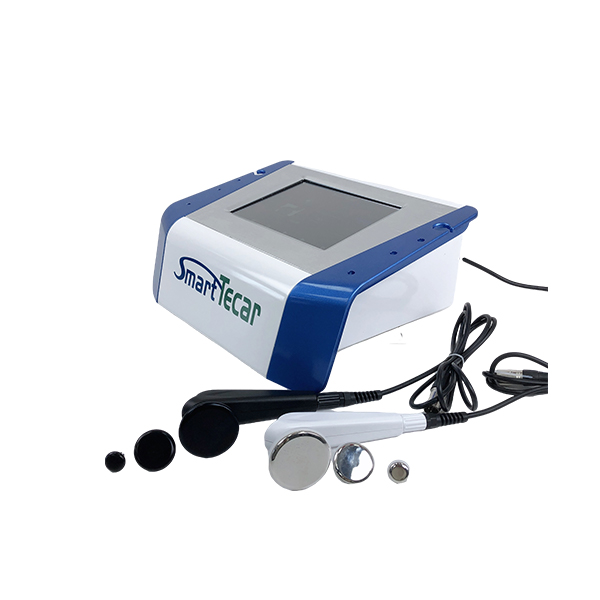
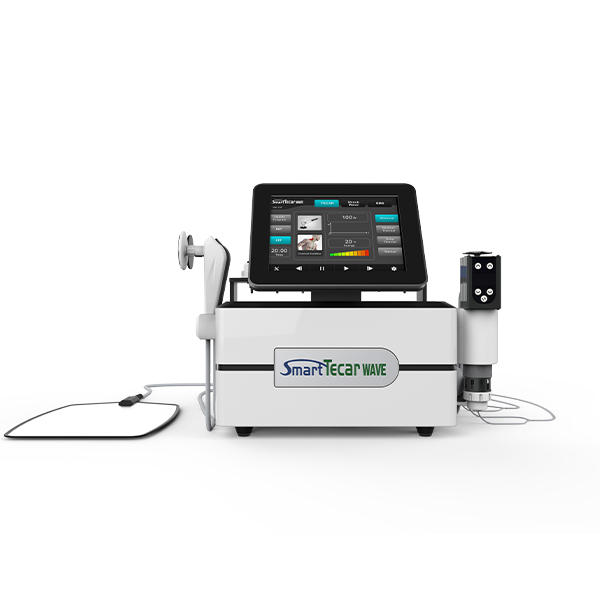
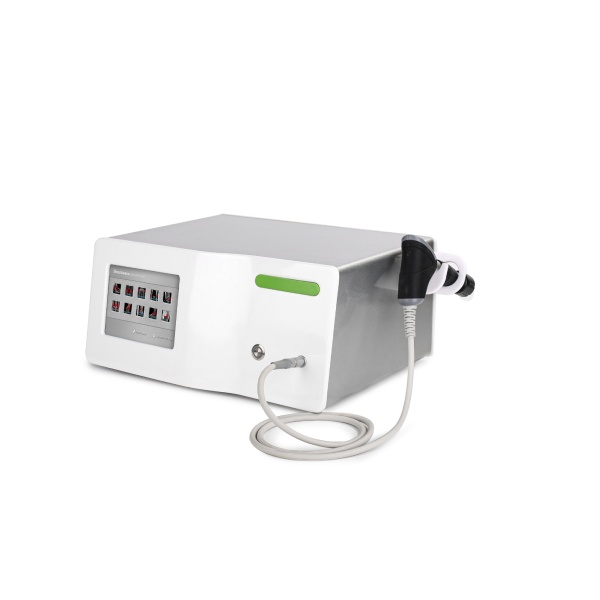
The machine produces acoustic waves and delivers them to the treatment area through a handpiece.
When the applicator is placed against the skin, the energy is transferred into the underlying tissue.
Depending on the type of machine and treatment protocol, shockwave therapy may help:
- Reduce pain
- Improve local tissue response
- Support tissue healing
- Improve function
- Stimulate changes in treated tissue
The treatment is usually performed without surgery or injections.
A session usually takes about 5–10 minutes. Most people need 3–5 sessions, roughly a week apart. It’s not completely painless — you’ll usually feel a sharp tapping or tingling — but it’s generally well tolerated.
However, more energy does not automatically mean better results. Treatment parameters need to be selected according to the condition, treatment area, and patient’s tolerance.
How Long Does Shockwave Therapy Take to Work?
Shockwave therapy usually does not provide an instant cure.
Some people may notice changes after the first few treatments, while others need a longer course before seeing meaningful improvement.
The number of sessions depends on the condition and treatment protocol. Treatment frequency, energy level, number of pulses, and treatment area can all vary.
It is also possible to experience some soreness or discomfort after treatment. This is one reason treatment settings should be adjusted by a trained professional rather than using the highest available intensity.
Is Shockwave Therapy Painful?
Shockwave therapy can feel uncomfortable, especially when treating a sensitive or painful area.
The sensation can vary from person to person. Some patients describe it as a series of tapping or pulses against the skin.
The intensity can usually be adjusted during treatment.
A professional should monitor the patient’s response and adjust the treatment parameters when necessary.
Are Shockwave Therapy Machines Safe?
Shockwave therapy is generally considered a non-invasive treatment, and research has reported a good safety profile for many musculoskeletal applications. A large review of studies found no serious adverse events in the included ESWT trials.
Temporary effects can occur, including:
- Mild pain or soreness
- Redness
- Swelling
- Bruising
- Temporary sensitivity
Shockwave therapy is not suitable for everyone. Patients with certain medical conditions or specific contraindications may need to avoid treatment.
A qualified professional should assess the patient before treatment and follow the machine manufacturer’s instructions.
What Makes a Good Shockwave Therapy Machine?
If you are buying a shockwave therapy machine for a clinic or rehabilitation center, the machine itself is only one part of the decision.
Look at:
Wave Type
Check whether the machine uses radial, focused, or another type of shockwave technology.
Treatment Parameters
The machine should provide appropriate control over treatment settings such as energy, frequency, and number of pulses.
Applicators
Different applicators can be designed for different treatment areas. Check what is included with the machine and whether additional applicators are available.
Ease of Use
A clear interface makes it easier for professionals to set and monitor treatment parameters.
Technical Support
Training, warranty, spare parts, and after-sales support are important when purchasing equipment for professional use.
So, Do Shockwave Therapy Machines Really Work?
Yes, shockwave therapy can work, particularly for certain musculoskeletal and tendon-related conditions.
But it is important to keep expectations realistic. It is not a universal solution for every type of pain, and the results can vary between patients.
Research supports its use for several conditions, but evidence is stronger for some applications than others. Recent reviews also show that different shockwave technologies do not always produce significantly different results for pain and function.
For clinics and rehabilitation centers, the most important factors are therefore not simply the machine’s advertised power. The treatment technology, parameters, applicators, operator training, and treatment protocol all matter.
If you are considering a shockwave therapy machine for your clinic, compare the machine specifications and support services carefully before making a purchase.
Looking for a professional shockwave therapy machine? Contact Lionaura to learn more about available models and configurations.