Traditional soft tissue dental treatment has long depended on scalpels. These conventional procedures often lead to bleeding, require sutures, and leave patients with noticeable swelling and extended recovery periods.
Today, patients expect gentler, less invasive dental care. More dental practices are turning to dental diode laser technology to meet this demand. This upgrade improves working conditions for dentists and delivers a much better overall experience for patients.
Below are the key benefits that make dental diode lasers an increasingly popular choice in modern dentistry.
How Dental Diode Lasers Improve Clinical Procedures
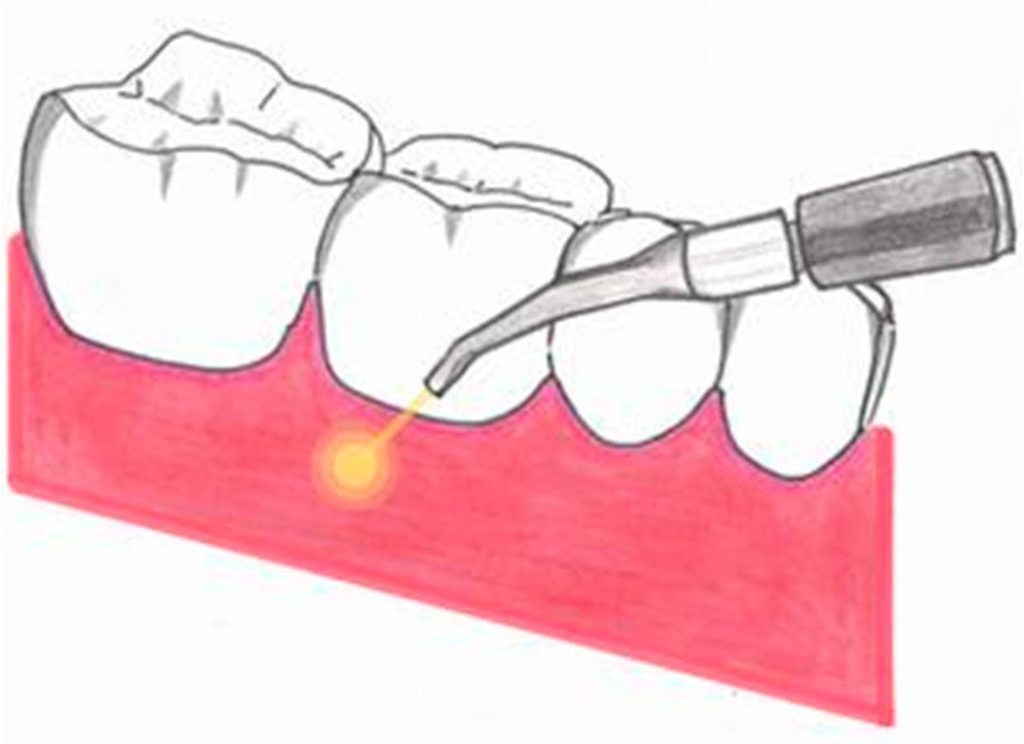
Dental diode lasers rely on targeted light energy to carry out soft tissue work, and they bring clear improvements to daily clinical operations.
The laser delivers precise energy that only affects the target treatment area. It avoids unnecessary harm to healthy gum tissue, oral mucosa and tooth structure around the lesion.
While cutting soft tissue, the laser seals tiny blood vessels at the same time. This controls bleeding and keeps the surgical field clear. Dentists spend less time clearing blood and can focus more on accurate treatment.
Clean, neat wound edges are another advantage. The controlled thermal effect reduces rough tearing of tissue, which supports better healing outcomes. Many delicate cosmetic and periodontal operations become easier to complete.
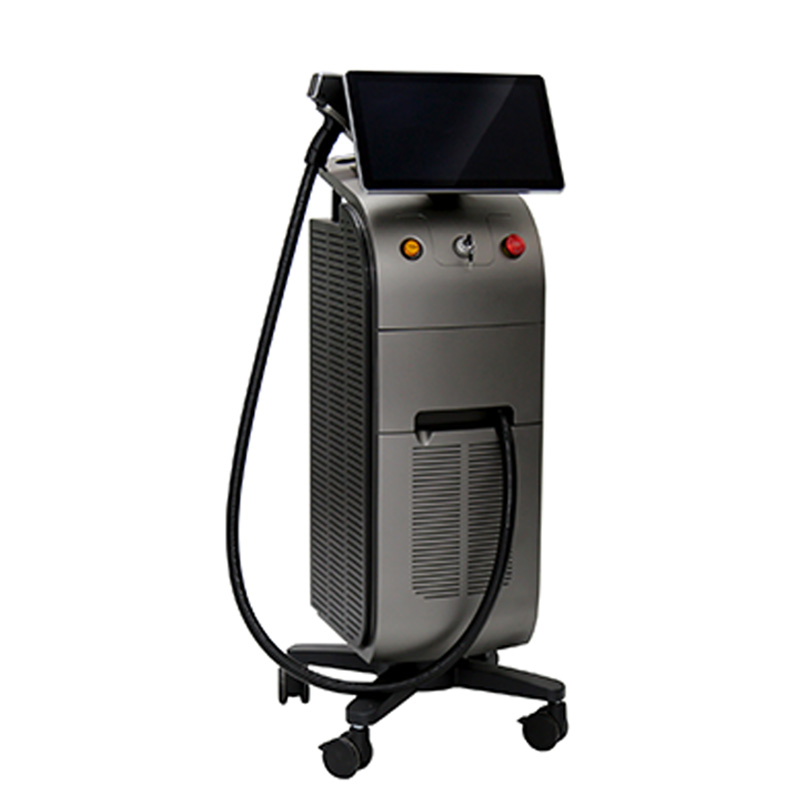
Many clinics invest in a Professional Dental Diode Laser Machine to improve treatment precision and provide a wider range of minimally invasive soft tissue procedures.
H2:Benefits for Patients
Patient experience directly shapes word-of-mouth and repeat visits, and dental diode lasers create meaningful improvements for people receiving treatment.
Most patients feel less sharp discomfort during laser procedures. Compared with scalpels, laser treatment creates minimal tissue trauma, so many cases require less local anesthesia.
Intraoperative bleeding is limited, and postoperative swelling and tenderness are generally milder. The risk of secondary infection also drops, as laser energy eliminates bacteria on the treated surface.
With less damage to healthy tissue, the natural healing process speeds up. Patients can return to their normal daily routines sooner after soft tissue surgery.
These clinical benefits are closely related to the way laser energy interacts with soft tissue. Learn more in our guide on How Does a Dental Diode Laser Work?
Why Dental Clinics Are Adopting Diode Lasers
For clinic owners, introducing a dental diode laser is not just a technical upgrade, but an investment that expands service capacity.
One single device supports many different soft tissue treatments. Clinics can add periodontal therapy, gum contouring, post-operative rehabilitation and other services without purchasing multiple separate machines.
Laser workflows help shorten chair time. Each treatment session becomes more efficient, allowing clinics to arrange more patients each working day.
Minimally invasive laser treatments are attractive to modern patients. Practices equipped with laser technology stand out from competitors that only offer traditional surgical methods, helping to build a professional brand image.
Because one device can support multiple procedures, it’s worth exploring the full range of Dental Diode Laser Applications available in modern dental practice.
Choosing the Right Dental Diode Laser
Not all dental diode lasers deliver consistent clinical results. Practices need to compare core features before making a purchase.
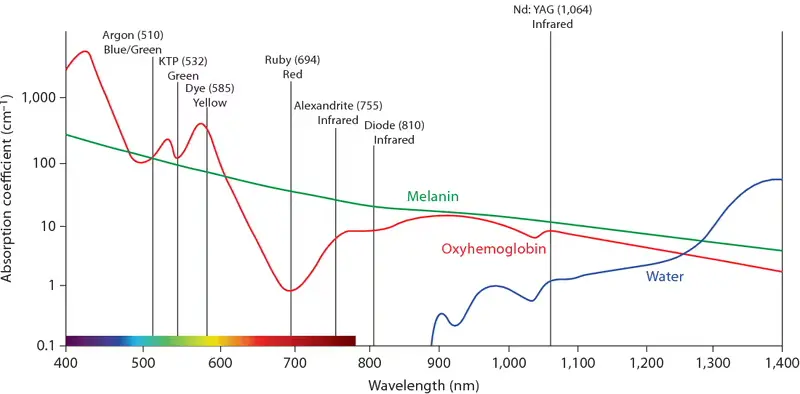
Wavelength configuration directly decides which treatments the device can perform. Multi-wavelength models support cutting, disinfection, hemostasis and PBM therapy in one unit, bringing greater flexibility.
It is also important to check power stability, durable optical fiber accessories and adjustable treatment modes. Reliable supplier training and long-term after-sales support should not be overlooked.
Frequently Asked Questions
Are dental diode lasers only used for soft tissue procedures?
Dental diode lasers are built primarily for safe soft tissue treatment. Common uses include periodontal therapy, gingivectomy, and PBM support for post-surgical healing. They are not designed for cutting hard tooth tissue.
Do dental diode laser treatments require long recovery time?
No. Thanks to effective hemostasis and limited thermal damage to surrounding tissue, most patients recover faster with less swelling than traditional scalpel surgery. Recovery speed still varies based on individual health and treatment scale.
Is a dental diode laser suitable for small private clinics?
Yes. Modern diode laser units come in compact sizes. They are easy to operate and fit well for private dental practices, cosmetic dental centers and larger dental hospitals.
Conclusion
Dental diode laser technology is far more than a simple replacement for old surgical tools. It balances precise clinical performance, improved patient comfort and long-term business value, and has gradually become essential equipment for modern dental practices.
If you’re looking to upgrade your dental practice, explore our Professional Dental Diode Laser Machine to learn about multi-wavelength systems designed for modern soft tissue procedures.