Endolaser and Endolift regularly come up when talking about minimally invasive laser skin tightening and facial contouring. Both use laser light fed through fine optical fibers, yet there can be real differences in the underlying laser tech, machine setup and how practitioners run the treatment.
If you’re an aesthetic clinic owner shopping for this type of laser equipment, don’t get stuck on the name alone. The things that truly impact your results are wavelength, power output, fiber choices and the treatment areas you want to cover.
What Is Endolaser?
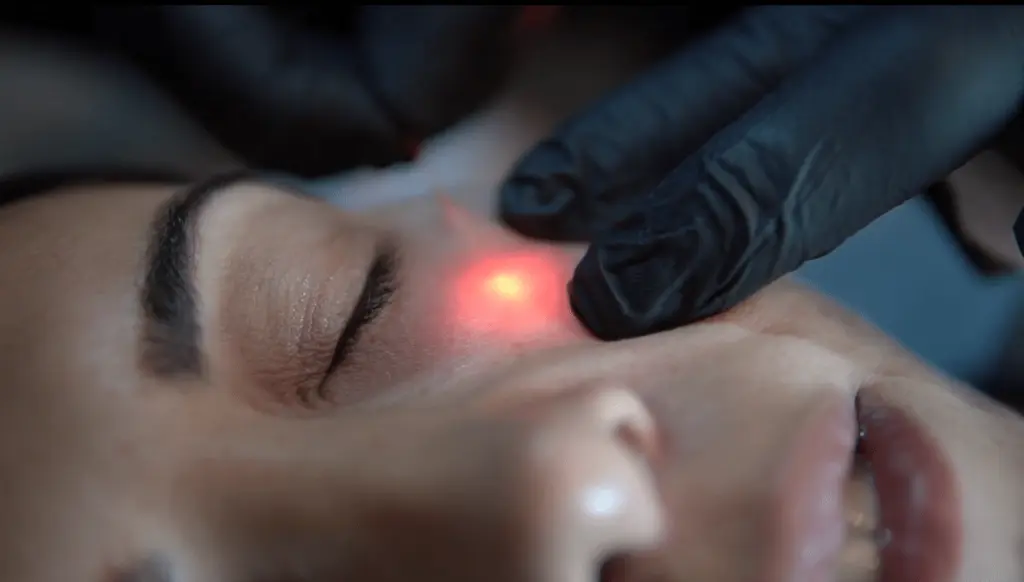
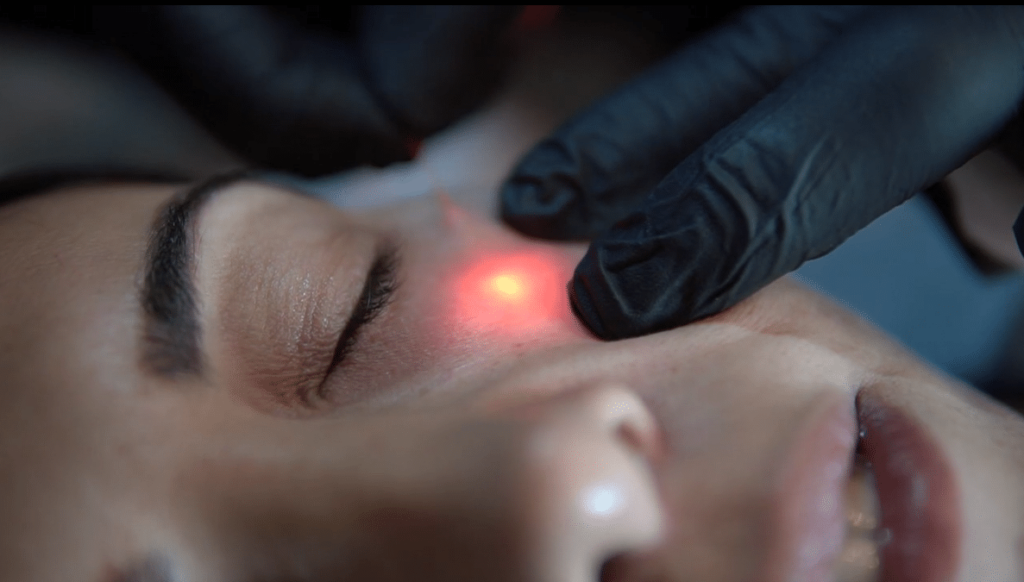
Endolaser is a term used for laser treatments that deliver energy through thin optical fibers placed beneath the skin. Depending on the device and treatment protocol, the laser energy can heat targeted tissue and support tissue remodeling.
These treatments are commonly discussed in relation to skin tightening, facial contouring and selected body contouring applications. The actual treatment possibilities depend on the equipment, practitioner training and applicable clinical guidelines.
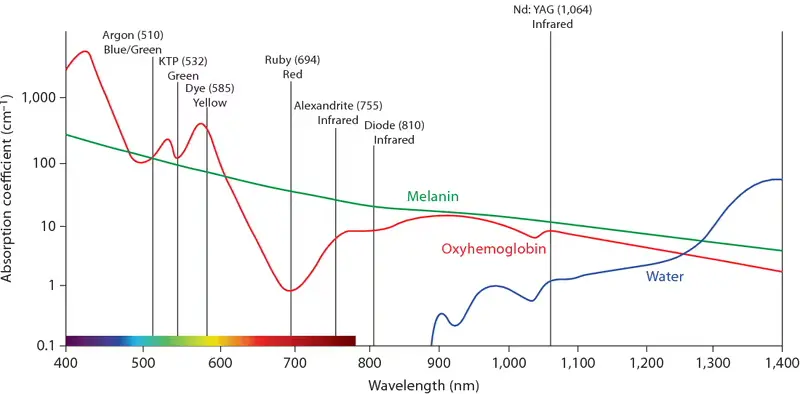
Modern Endolaser systems may use diode laser wavelengths such as 980nm and 1470nm. Each wavelength has different tissue absorption characteristics, which influence how laser energy interacts with the target tissue.
For clinics looking to add this technology, choosing a suitable machine means understanding its technical specifications rather than relying on the product name alone.
What Is Endolift?
Endolift is a trademarked name associated with a specific laser-based aesthetic treatment. It is commonly discussed in relation to skin tightening, facial contouring and the treatment of selected areas such as the jawline and under the chin.
The term is often compared with Endolaser because both are discussed in the context of fiber-delivered laser energy. However, the names should not be treated as interchangeable in every situation. The equipment, treatment methods and commercial branding may differ.
When comparing these options, clinics should review the actual device specifications, intended use and supporting documentation.
Endolaser vs Endolift: Key Differences
The main differences to consider are the equipment configuration, laser wavelengths, fiber specifications and intended applications.
Laser technology: Endolaser systems may use different diode laser configurations, including 980nm and 1470nm wavelengths. The specific wavelengths available depend on the machine model.
Treatment applications: Both terms are associated with discussions of skin tightening and facial contouring. However, the applications supported by a particular device depend on its design, intended use and treatment protocol.
Equipment options: Endolaser machines are available in different configurations. Some models offer dual wavelengths, adjustable power settings and different optical fiber options.
Choosing a device: For professional buyers, the more useful comparison is often between the actual machine specifications, safety features, training requirements and technical support.
There is no single answer that applies to every device. Clinics should assess each system according to their treatment needs and local regulatory requirements.
How Do 980nm and 1470nm Laser Wavelengths Differ?
Wavelength is an important factor when evaluating a professional Endolaser machine.
A 980nm diode laser interacts with tissue differently from a 1470nm laser because their absorption characteristics are not the same. These differences affect energy delivery and tissue response.
Some professional systems combine both wavelengths, allowing operators to select the appropriate settings according to the device instructions and intended treatment.
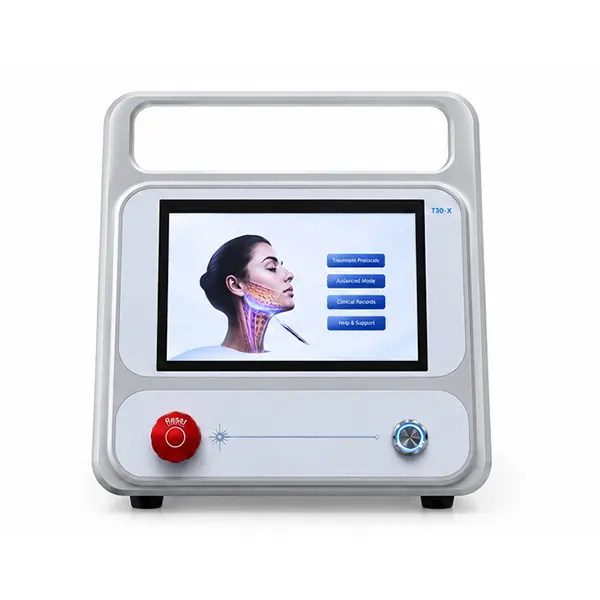
For example, the LionAura FaceLift T30-X Endolaser Machine combines 980nm and 1470nm laser modules. It also features IoT connectivity for remote technical support and system maintenance.
For clinics comparing equipment, reviewing the available wavelengths, output power and compatible fibers is a practical starting point.
How to Choose a Professional Endolaser Machine
Choosing an Endolaser machine involves more than comparing prices or advertised treatment results. The following factors deserve attention.
- Laser configuration: Check the available wavelengths, output power and adjustment range.
- Optical fibers: Confirm which fiber diameters and specifications are supported by the machine.
- Safety and compliance: Review the device’s certifications, intended use and documentation for your market.
- Training: Make sure appropriate operator training and technical guidance are available.
- After-sales support: Consider warranty coverage, maintenance assistance and access to replacement parts.
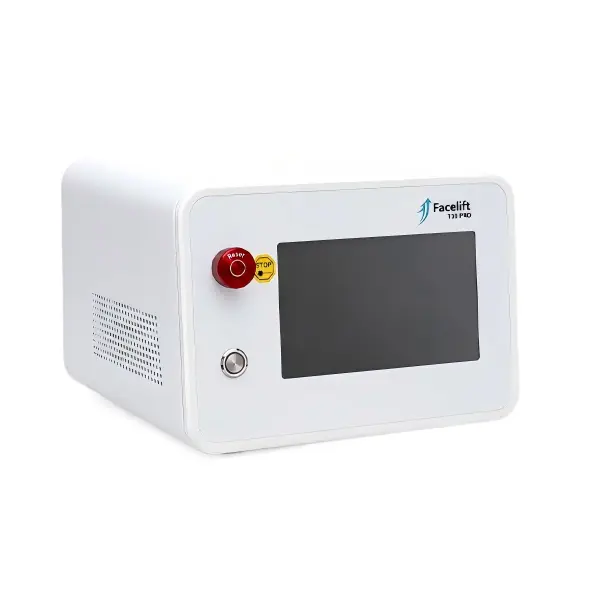
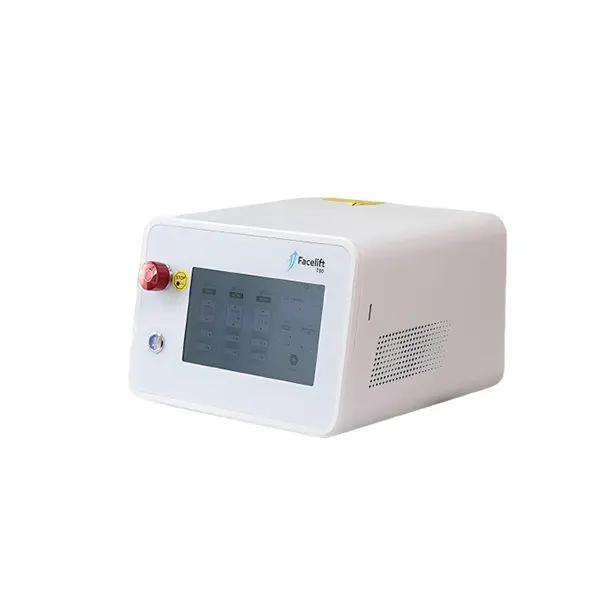
For clinics seeking a dual-wavelength system, the LionAura FaceLift T30 PRO is another model worth exploring. Comparing its specifications with those of the T30-X can help buyers identify the configuration that best fits their requirements.
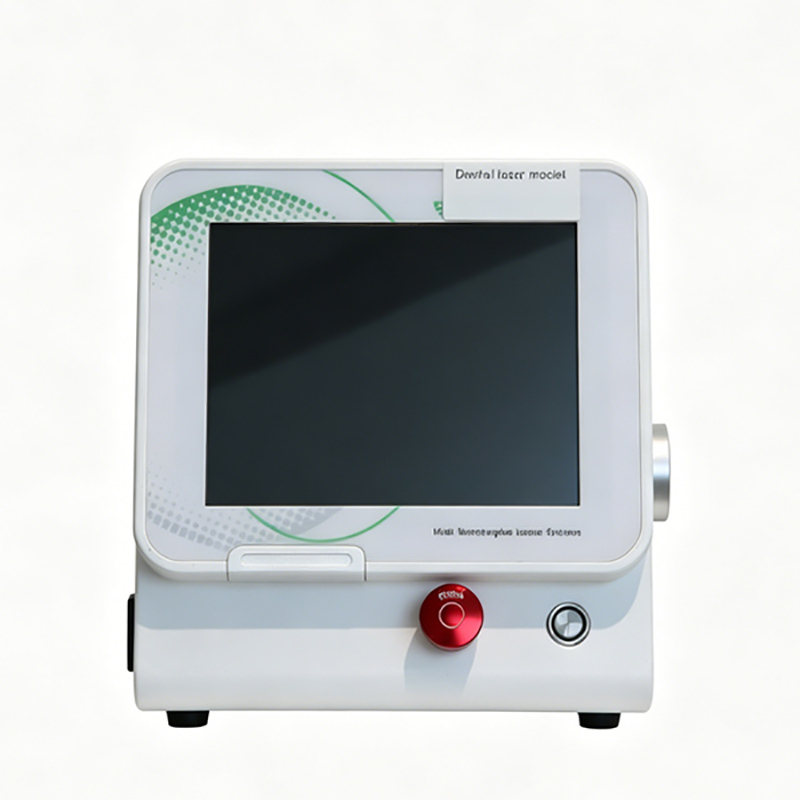
LionAura also offers a multifunctional Endolaser machine for professional buyers interested in a system with additional treatment functions.
Before purchasing, clinics should confirm that the selected model is appropriate for their intended applications and that its use complies with local regulations.
Is Endolaser an Alternative to Endolift?
Endolaser may be an option for clinics exploring fiber-delivered diode laser equipment for aesthetic applications. However, whether a particular machine is a suitable alternative depends on the treatment requirements, device specifications and applicable clinical standards.
Instead of comparing names alone, professionals should look at the wavelengths, power settings, fiber options, safety documentation and training provided with each system.
For clinics and distributors considering an Endolaser machine, reviewing these details is a more reliable way to determine whether a device meets their needs.